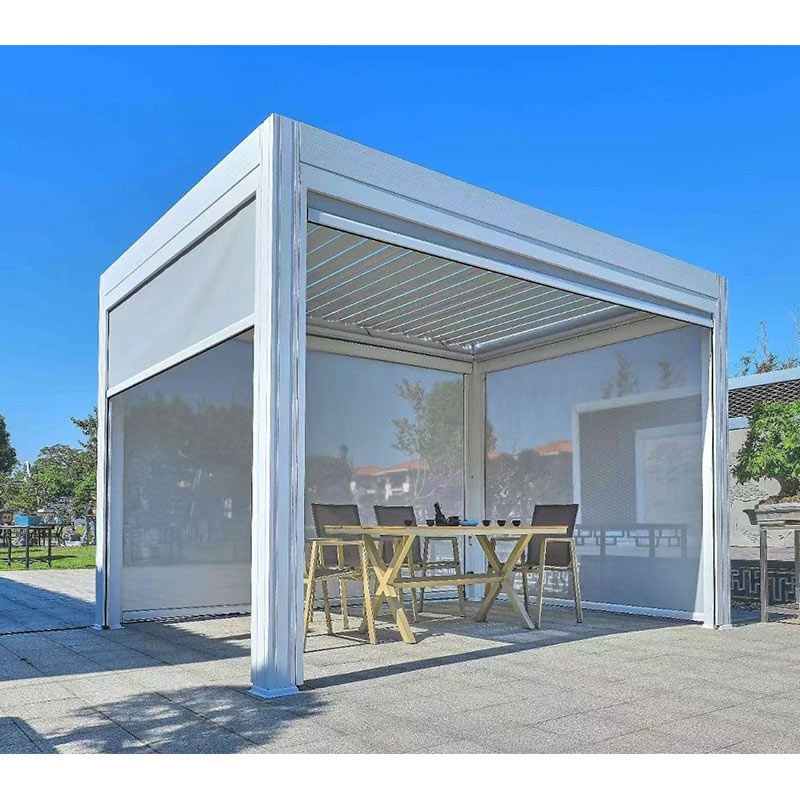
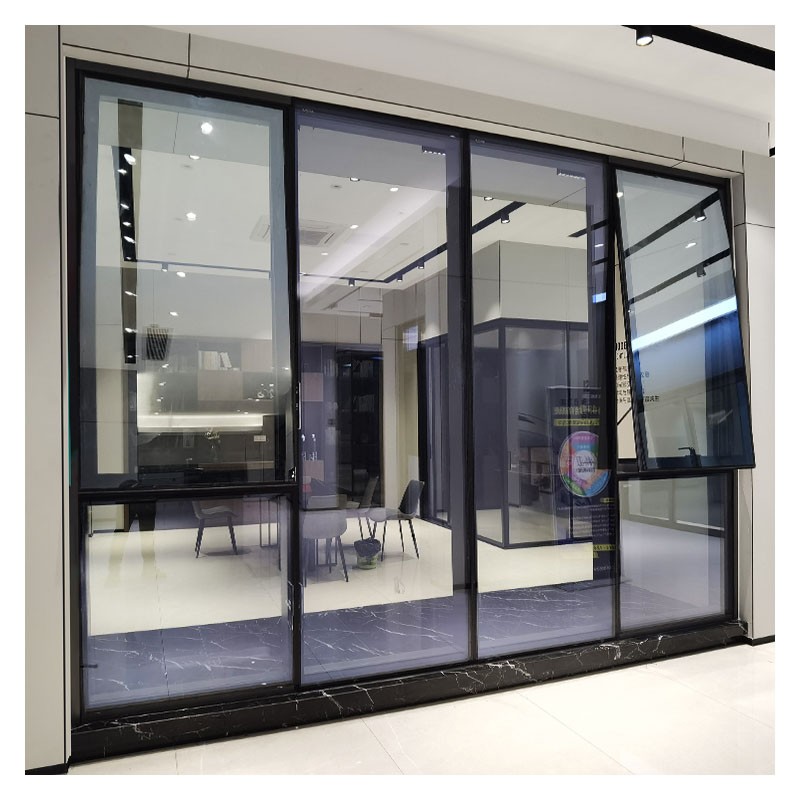
architect friendly daylight optimized glass curtain wall?
h
The People's Republic of China's building skin manufacturing has fast come forward as a dominant transnational entity in the construction field. Prompted by competitive pricing and ample throughput, Chinese producers now equip a vast portion of architectural facade systems for projects globally. Their expertise to fabricate multifaceted designs and apply advanced strategies has also cemented their importance as key stakeholders in the earthwide development landscape.
Glass Cladding Setups: Conceptualization & Modernization
Up-to-date assembly frequently includes glass curtain systems, symbolizing a significant progress in structural aesthetics and capability. This elaborate systems permit for expansive panoramas, maximizing genuine and cultivating a perception of transparency. Newly developed innovations pivot on fusing green materials, upgrading thermal defense, and developing dynamic glazing techniques that respond to fluctuating atmospheric parameters. The complications of planning these sophisticated systems impose close conjunction between designers and qualified producers to affirm structural robustness and peak effectiveness.
Lightmetal Curtain Wall Structures: Capacity and Aesthetics
Contemporary constructions increasingly depend on aluminum curtain wall structures to obtain a balance between exceptional output and striking attractiveness. These engineered facades offer exceptional energy efficiency, lowering power costs and raising facility sustainability. Additionally, aluminum's native versatility grants a wide assortment of styling expressions, from sleek, minimalist patterns to complex, tailored outlines. The portative nature of aluminum also supports quicker fitting and lowers aggregate building mass, making it an perfect choice for modern construction projects.
Locating the Right Curtain Wall Manufacturer in China
Winning a sound curtain wall fabricator in China can seem like a intimidating task, but careful due diligence is critical. Diverse factories exist, furnishing a comprehensive range of items, so pinpointing the matching partner requires a methodical approach. Begin by articulating your scheme's specific needs and technical requirements. Then, apply online platforms like Alibaba or Made-in-China, but don't entirely depend on them; confirm their credentials and seek references independently. Consider factors such as history in your chosen domain, approvals (like ISO), and communication abilities. Finally, without fail execute a production base survey, if viable, to firsthand estimate their manufacturing methods and assurance procedures.
- Assess the business's history.
- Verify for relevant credentials.
- Collect prototypes for performance appraisal.
The East Asian country's Ascendancy of one of the Curtain Wall Field
For diverse periods, China's cladding industry has experienced a remarkable growth. Driven by vigorous development and comprehensive infrastructure tasks, the requirement for sophisticated curtain walls has skyrocketed. Initially, the industry was dominated by non-local technologies and ventures, but domestic manufacturers have steadily secured ground, now vying on both fee and performance. This change is fueled by regulatory aid glass curtain wall and a expanding pool of qualified experts specializing in new facade planning.
- Increased demand for high-rise buildings.
- Modern advancements in facade materials.
- Public policies promoting indigenous manufacturing.
Analyzing Glass vs. Aluminum Curtain Walls
When preferring a material for a curtain wall, designers often consider the decision of glass versus aluminum. Aluminum Alloy curtain walls generally yield amplified structural durability and lastingness, especially in high-wind conditions or earthquake-prone areas. Still, glass curtain walls provide outstanding natural light passage and appearance-wise pleasing facades. Glass systems have the ability to also utilize various surfaces for power efficiency and dazzle reduction, though aluminum systems commonly lean on high-performance breaks to diminish heat exchange. Ultimately, the most suitable choice relies on the particular project needs and financial constraints entangled.
Structural Facework: Currents from China
China's prompt construction area is forming global construction trends, particularly in facade design. We're noticing a development toward increasingly refined systems, with a robust focus on carbon reduction. Several important trends are developing: innovative use of see-through layers, frequently employing adaptive technologies like electrochromic coatings that adjust to sunlight, and the amalgamation of mathematical design principles to generate highly customized facades. Furthermore, there's a heightening interest in including nature-inspired design elements – chiefly vertical vegetated facades and renewable materials – to enhance the aesthetic appeal and nature-based performance of edifices. Ultimately, Chinese firms are pioneering the brink of what's doable in curtain wall engineering.
- Integration of Electrochromic Screens
- Algorithmic Architecture Application
- Incorporation of Organic Components
Cost Considerations for China Curtain Wall Projects
Competently dealing with such a landscape of China external facade projects demands meticulous cost inspection. First-phase budgeting often misjudges several critical factors. Element costs, while presenting competitive, can shift dramatically due to economic volatility and duties regulations. Staff expenses are an additional major consideration; capable installers require premium remuneration, and local building rules frequently order specialized methods adding to complete labor payment. Furthermore, transportation costs, especially to isolated project destinations, can be considerable. Foreseeable delays due to ecological conditions or administrative activities supplementarily impact the undertaking budget, often manifesting as raised maintaining costs for inventory. To minimize these risks, comprehensive feasibility evaluation and rigorous cost reserve are necessary.
- Material Cost Fluctuations
- Staff Wage Adjustments
- Freight Problems
- Anticipated Waits
Quality Oversight in the Building Skin Assembly
Confirming premium quality control within China's curtain wall production sector is a important area of emphasis. Earlier, challenges arose due to uneven criteria and commonly inadequate validation processes. However, fresh undertakings include reinforced legal mandates, advanced assessment equipment, and a heightened emphasis on hands-on staff learning. Many companies are now incorporating ISO verifications and implementing advanced programs for recording the entire sequence to guarantee unvarying component quality.
g