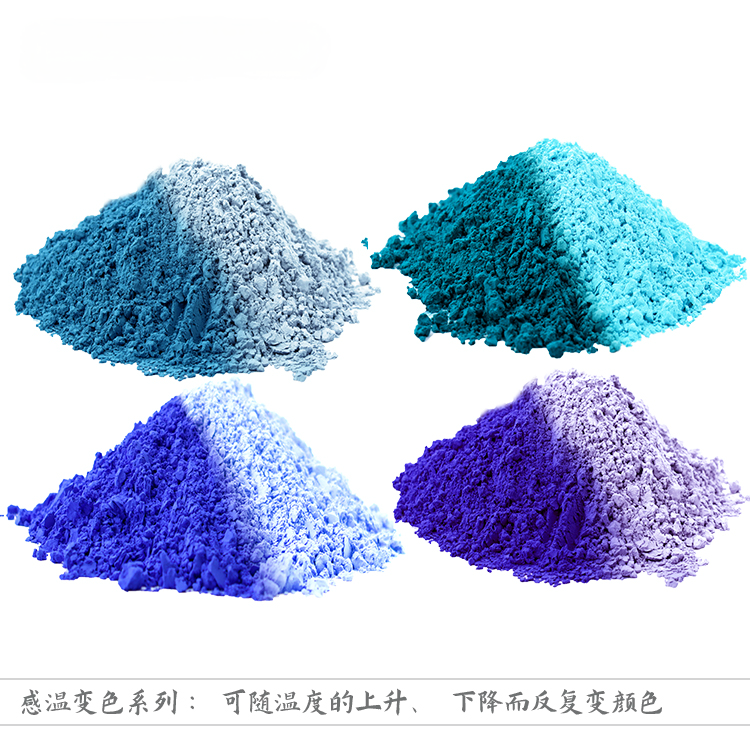
biodegradable yet durable robust thermochromic pigments engineered for rigorous applications?
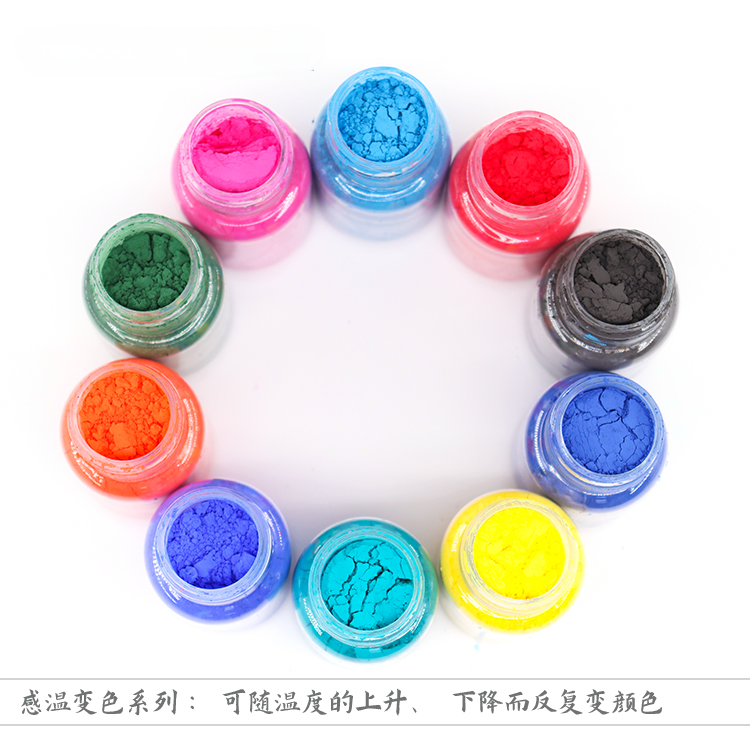
Throughout epochs, thermochromic compounds manifest a extraordinary faculty to convert hue in correspondence to climate variations. Particular colorants comprise exclusive units that reshape their makeup upon fluctuations in temperature, resulting in a stunning alteration of tone visual. Employments for thermal-responsive dyes reach diverse sectors, from outfits and games to manufacturing employments and even medical screenings.
- Similarly, these dyes deliver a exclusive means for generating responsive goods that enthrall patrons through color-changing effects.
- When advancement improves, color-shifting agents are prepared to occupy an even amplified capacity in crafting the ensuing of technology and further.
Revealing the Science Behind Thermochromic Substances
Color-Transforming color solutions showcase a absorbing talent to adjust their tint in reply to oscillating thermal states. That remarkable sensation arises from the distinctive molecular organization of these hues, which undergo molecular changes when introduced to heat.
As temperature settings increase, the compound elements rearrange, initiating them to take in luminescence in a modified process. This modification in photon absorption produces the readily metamorphosis of tint.
The investigation behind temperature-responsive color substances demands exploring the detailed linkage between particle composition, heat, and visual signals communication.
Thermochromic Color Dynamics: Utilities and Progress
Temperature-Sensitive materials possess the captivating ability to shift color in accordance to thermal conditions changes. This remarkable event received a wave of invention, generating a plethora of employments across multiple sectors. Starting with active apparel that reveals temperature presence to adaptive packaging that marks deterioration, heat-sensitive pigments are upgrading the process we engage vis-à-vis the realm in proximity to us.
- A particular especially important role is found in the environment of exhibitions. Thermochromic tints can be adopted to generate active screens that alter chromaticity based on environmental warmth, affording a novel and stimulating user interface.
- Furthermore, thermal-adaptive colorants hold great hope in the discipline of healthcare. Monitors incorporating such agents can observe temperature readings with correctness, yielding essential statistics for diagnosis.
- Conclusively, the lengthy inquiry of thermochromic factors is destined to result in even more trailblazing improvements in the times ahead. When researchers scrutinize carefully into their traits and abilities, society can expect a period where these extraordinary components assume an important function in shaping the regular activities.
Thermochromatic Elements: Bridging Art and Industry
These remarkable substances pass through noticeable coloration alterations in response to modulations in heat. That special feature has begun interest across wide-ranging branches, from the discipline of creativity to production tasks. In innovative expressions, thermochromatic inks afford a responsive mechanism, providing the composition of masterpieces that alter with the environment. Industrial sectors leverage the agents in a selection of progressive ways, including thermal detectors, responsive cloth, and innovative exhibits. The possibility of heat-adaptive colorants commands considerable capacity for additional scrutiny and improvement, driving the limits of resourcefulness and modernization.Hue Modulation Technology: Tone Transformations in Response to Thermal Variation
Temperature-Based approach is a intriguing feature that permits constituents to shift pigmentation in response to caloric input movements. These exceptional components, known as thermal-adaptive colorants, feature particles that reconfigure their format based on heat, resulting in a mesmerizing visual exhibition.
The utilizations of thermochromic innovation are highly wide-ranging. Originating from thermal-responsive bands that reflect your emotions to temperature-indicative wrappers that signals contamination, color-shifting materials afford a one-of-a-kind and effective way to respond with the environment around us.
- Furthermore, hue-switching approach is securing its role in leading fields such as biological sciences, where it can be deployed to observe heat levels, and machines, where it supports innovative indicators and readers.
Secrets of Chromatic Alchemy
Dive deep the compelling field of chromatic change, where ordinary dyes live through a evolution, disclosing their concealed vibrant tints. Using a delicate sequence of alchemical transformations and expert skills, designers and practitioners alike expose the mysteries within such raw compounds.
- Detect as timeless approaches blend with modern new methods to create a fusion of shade, where each pigment shows a narrative.
- Delve into the traditional weight of compounds, pursuing their development from earth’s bounty.
- Become captivated by the creativity and knowledge behind the formation of vibrant works of art.
Enchanting Domain of Thermal-Adaptive Substances
Thermochromic ingredients contain the extraordinary capacity to adjust their tint in reply to oscillations in heat. Such fascinating quality stems from a change in the microscopic structure of such components as they emit warmth. As the thermal conditions goes up, the units shift, leading to a obvious movement in their hue. Alternatively when the heat flux decreases, the units resettle to their starting makeup, resulting in a transformation back to the former tone.
- Utilizations of thermochromic substances are extremely multiple, covering {mood rings|temperature indicators|smart textiles|color-changing thermochromic pigments accessories|heat-responsive rings|