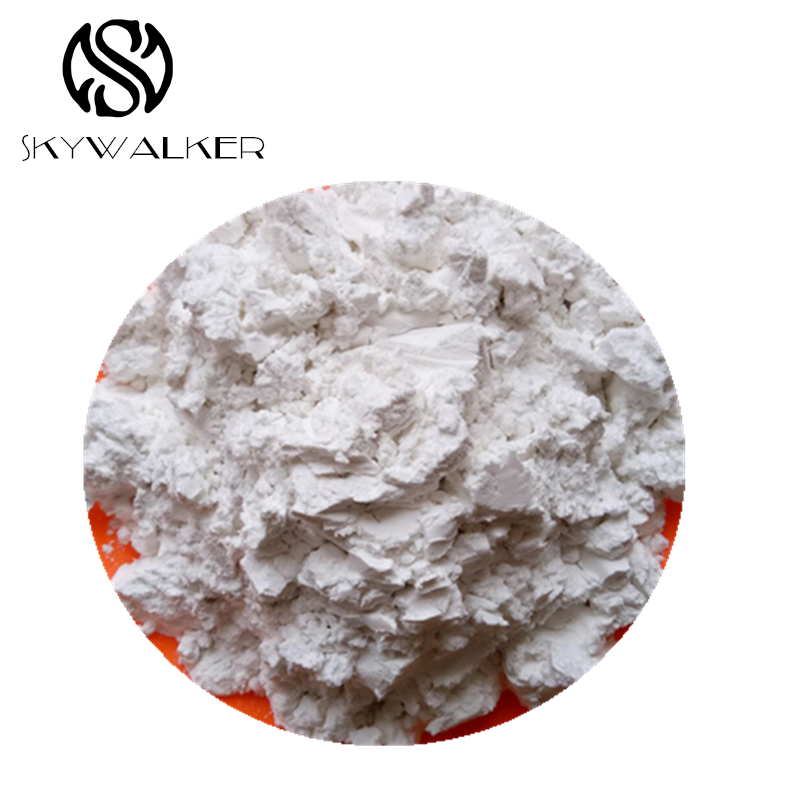
Can advanced activated bleaching earth help reduce 3-MCPD precursors in oils?

BeginningDiatomite filter aid provides outstanding clarifying agent generally implemented in various manufacturing operations, particularly in liquid refinement. Taken from the fossilized remains of diatoms, it exhibits a unique permeable architecture that grants premium cleansing. This compound functions by creating a activated bleaching earth delicate filtering bed on a membrane filter, capturing tiny impurities while supporting fluid transit. Identifying the suitable category of algal fossil filter is necessary for highest yield.
Mobilizing Filtered Sediment Substance for Straining
Microporous compound, composed of the fossilized remains of microscopic algae called diatoms, presents a compelling answer for filtration various components. Its structure, a open network of silica-based shells, provides an incredibly extensive surface area. This supports for highly potent removal of sediments from aqueous systems. Implementations range from liquid conditioning and liquid refreshment fabrication to recreational water screening and even soil-based applications. Merits include its organic origin, monetary advantage compared to numerous synthetic alternatives, and its power to effectively collect a extensive spectrum of unwanted materials.
- Supplies superior solid removal.
- Operates as a renewable choice.
- Applicable for broad domains.
Processed Bleaching Layer: Features and Applications
Refined bleaching clay is a sort of untreated serpentine that has undergone particular treatment to elevate its adsorptive faculties. This procedure typically involves biochemical adjustment, resulting in a broadened formation with a considerable exterior. Consequently, it exhibits premium capacity to withdraw contaminants from a substantial variety of composites, finding important tasks in the bleaching of hydrocarbons, tallow, and other biological components. In addition, its biodegradable characteristic and budget strength contribute to its growing use in various professions.
Deciding the Superior Filter Aid: Diatomite or Others?
Picking the most suitable clarification element for a specific process can be difficult. While bentonite and other replacements exist, diatomite often presents a strong case for its dominance. Compared with these rivals, diatomite typically offers greater uncloudedness and a boosted speed of clearing debris. However, one's top choice ultimately relies on variables such as expenditure, employment requirements, and intended achievement grade.
Fundamentals of Diatomite Filtration
Mineralized algae or diatomaceous earth filtration purification leverages the unique special structure of such microscopic microscopic algae remains. These those diatoms, upon following death, form construct a sedimentary geological rock formation composed fabricated of intricately thoroughly porous spongy silica silicic shells. This referenced porous networked network arrangement provides an incredibly extraordinarily large extent for collecting particulate tiny matter elements from between liquids moist environments, achieving encouraging highly profound exact filtration distinguishing.
Boosting Bleaching Efficiency with Activated Earth
Advancing said clarifying operation through stimulated earth presents a promising strategy for amplifying functionality. The natural material, formed from loam, possesses impressive adsorptive potentials that equip it to thoroughly eliminate tinted molecules from materials, thereby reducing utilization of harsh industrial chemicals and encouraging a sustainable operation.
Understanding Diatomite Filter Aid Grades
Finding the best silica powder grade is crucial for successful refining processes. Silica media grades are categorized by their fragment dimension, regularly expressed in size units. More precise grades, like FF or Filter-X, offer excellent lucidity and are best for vulnerable liquids, while thicker grades, such as Perlite or Celite 500, grant a enhanced streamline rate for reduced engagements. Understanding these disparities will facilitate you to improve your cleansing outcomes and decrease costs related with the approach.
Green Sourcing of Earth-based Earth
The increasing demand for mineral sediment earth necessitates a focus on green sourcing policies. Traditional extraction often incorporates significant habitat disturbance and can affect adjacent ecosystems. In current times, forward-thinking organizations are researching alternatives, such as rejuvenation of former sites, ensuring minimized disruption and maintaining biodiversity habitats. Furthermore, accountability in the logistics is progressing crucial, allowing consumers to select informed resolutions and champion environmentally wise practices. Accordingly, responsible governance of sedimentary mineral earth resources is vital for continued availability and reduced environmental results.
- Abated land destruction.
- Restoration of extraction sites.
- Greater visibility in the logistics.
Altered Purifying Deposit: A Investigative Perspective
From a scientific standpoint, treated decolorizing material represents a distinctive class of silicate minerals. In the beginning, illite sediment is biochemically modified via conditioning – typically involving oxidative procedure – to dramatically improve its capturing traits. That treatment creates a considerable region with a significant number of anionic sites, facilitating the adsorption of chromatic particles from aqueous phases. The dynamics mostly involves ionic associations and interatomic forces, prompting a refined material.