Dynamic and energy-saving Can high-performance sbc for android meet your technical demands?
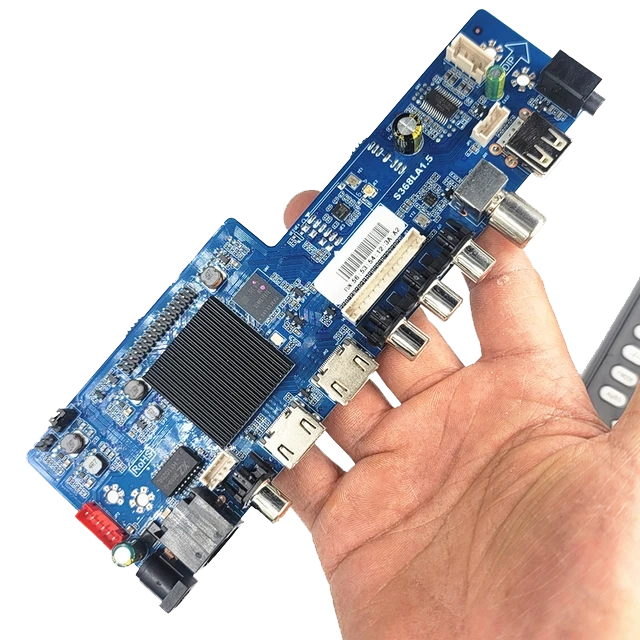
Initiate your quest the field of Android platform coding for single-chip computers. This comprehensive guide will offer you the fundamental insights and effective tactics to successfully develop your own Android-driven SBC implementations. From understanding the fundamental concepts of Android software engineering to investigating elaborate world of SBC platforms, this guide will guide you through a prosperous software accomplishment.
- Research the diverse of available SBC solutions and their specific powers.
- Perfect essential Android development tools, including Android Studio, SDKs, and emulators.
- Understand the intricacies of customizing your SBC workspace for seamless Android running.
Analyze best practices for fabricating robust and durable Android interfaces tailored for SBC hardware constraints.
Constructing Android Solutions via SBCs
Maximizing resources of a Single Board Computer (SBC) for Android application design is an increasingly prevailing approach. These compact and versatile machines provide a cost-effective base for testing, enabling engineers to utilize the capabilities of Android without the need for a traditional device. By exploiting the SBC's resources such as its processor, memory, and connectivity options, developers can construct Android applications that range from simple utilities to more complex software. The ability to customize the hardware and software environment further magnifies the flexibility of SBCs for Android development, making them a indispensable tool for both developers.
Exploring Android SBCs in IoT Applications
For budding makers delving into the world of Internet of Things (IoT), Android dev boards present a powerful platform to bring their ingenious ideas to life. These portable boards, often equipped with sophisticated hardware and straightforward software development kits (SDKs), provide a stable foundation for prototyping a wide range of IoT platforms. From home coordination systems to technical monitoring platforms, Android dev boards empower individuals to launch cutting-edge IoT projects with agility.
- Harnessing the extensive Android ecosystem, developers can access a vast library of modules specifically designed for IoT systems. This range of resources allows for streamlined development and boosts the creation of refined IoT solutions.
- Furthermore, Android dev boards often feature onboard connectivity options such as Wi-Fi, Bluetooth, and cellular, facilitating seamless interaction with other devices and cloud platforms. This connectivity capability is essential for enabling real-time data analysis and remote supervision of IoT systems.
- Last but not least, the shared frameworks of Android dev boards fosters a thriving ecosystem of developers, providing ample support for tackling any challenges encountered during the development process.
Scrutinizing Multimedia Potentials of Android SBCs
The domain of multimedia applications is constantly evolving, pushing the boundaries of what's realizable. In this dynamic landscape, Android System-on-Chips (SBCs) have emerged as a robust approach for developers seeking to construct innovative and engaging experiences.
The cited compact yet packed SBCs grant a distinct blend of processing efficiency, connectivity, and multimedia functions that make them beneficial for a extensive selection of applications.
Considering high-definition video playback to direct audio processing, Android SBCs are prepared to handle the specifications of today's multimedia environment.
- In addition, their open-source nature enables developers to adapt hardware and software to fit specific application needs.
- The given level of flexibility facilitates for developers to go beyond the limits of multimedia innovation.
Discover Advanced Android Tweaks with SBCs
A development board exemplified by the Raspberry Pi or a Nexus Player delivers a unique opportunity to fine-tune your Android experience. By diving deep with the underlying architecture, you can refine everything from the kernel to dedicated programs. This level of mastery allows enthusiasts to test limits and manufacture truly individualized Android environments. Whether you're aiming to refine your device's performance, study new features, or simply quench your curiosity, a dev board can grant a world of avenues.
- Acquire knowledge of the fundamentals of Android development
- Create custom ROMs and kernels
- Evaluate new apps and features
- Join your device to supplementary interfaces
Debugging Android on SBCs
When working with Android development on Single Board Computers (SBCs), you might encounter a variety of challenges. These can range from simple configuration errors to complex software bugs. Effective debugging and troubleshooting are crucial for identifying the root cause of these problems and restoring your Android environment to full functionality. Employ the vast resources available online, such as forums and documentation, to gain insights into common issues faced by other developers in similar setups.
Start by carefully reviewing your activity records for any error messages or warnings that might provide clues about the problem. Apply a effective logging strategy within your Android application to capture relevant information during runtime. This can help pinpoint specific areas where errors are occurring. Don't hesitate to explore different configurations and settings to see how they affect the behavior of your system.
- Spend time in understanding the hardware capabilities of your SBC, as limitations in processing power or memory can contribute to Android performance issues.
- Construct a strong understanding of the Android SDK and its kits to effectively debug your applications.
- Stay updated with the latest releases of both Android and your SBC's firmware, as these often include bug fixes and performance improvements.
Enhancing SBC Android Efficiency
When utilizing Android-based single-chip solutions single board systems, maximizing speed is paramount. To achieve this, developers and engineers can leverage a collection of approaches. This involves diligently configuring software and hardware components to provide seamless behavior. Key areas for improvement include hardware allocation, power consumption, network connectivity, and application speed.
- Prioritizing real-time information flow is indispensable for applications that demand immediate results.
- Capitalizing on lightweight components can remarkably reduce memory consumption, thereby improving overall responsiveness.
Regularly modernizing the Android operating system and systems is vital for addressing security flaws and benefitting operation boosts.
Establishing Security Protocols for Android SBCs
Securing your Android platforms against threats is paramount. Employing sound security best practices for your Android System-on-a-Chip (SBC) application can significantly mitigate risks. Regularly refresh your SBC's software to address exploits. Initiate robust access policies to regulate user permissions and network connectivity. Conduct consistent security inspections to identify potential threats and configure necessary fixes.
- Train your users about common security threats and best practices for protecting their devices.
- Lock sensitive data at rest and in transit using strong protocols.
By adhering to these best practices, you can create a more secure environment for your Android SBC.
Exploiting Sophisticated Android SBC Capabilities
The world of embedded Systems (SBCs) provides a compelling platform for developing progressive Android applications. By merging the power of Android with the unique capabilities of SBCs, developers can create multi-functional solutions across diverse fields. This approach offers unparalleled flexibility and customization options, supporting the development of specialized applications that cater to specific specifications. Whether it's for medical devices, SBCs coupled with Android development open up a enormous range of possibilities.
- Utilizing the low-power nature of SBCs for resource-constrained environments.
- Assembling Android applications with timely responsiveness for time-sensitive tasks.
- Blending Android's user interface capabilities with custom hardware peripherals for a coherent experience.
The combination of Android and SBCs empowers developers to push the frontiers of innovation, culminating in transformative applications that reshape various fields.
Dominance of SBCs in Android Projects
The market of Android development is rapidly evolving, with Single Board Computers (SBCs) emerging as a prominent force. These compact and versatile gadgets offer developers a powerful platform for experimentation, prototyping, and even full-scale application deployment. With their affordability, expandability, and flourishing ecosystems, SBCs are poised to transform the way we create Android applications. Builders are passionately embracing this modern paradigm, unlocking a world of possibilities for creating exciting user experiences.
From embedded solutions to automated devices, SBCs provide the perfect groundwork for a wide range of Android projects. Exploiting the power of open-source software and hardware, developers can build innovative solutions that deal with real-world challenges.
Exploring Projects with Android SBCs
Android Single Board Computers (SBCs) are multifunctional little contraptions that can be used to build a wide range of tasks. Assuming you're a newcomer, there are plenty of interesting project ideas to explore. One well-liked category is connected living, where you can use an Android SBC to direct your appliances. You could also construct a tailored media center, transmit content on a larger screen, or even engage in robotics and coding.
- Several android dev board Various Multiple Certain
- Numerous other ideas include developing educational games, implementing wearable gear, or even supporting open-source applications. The possibilities are truly infinite.