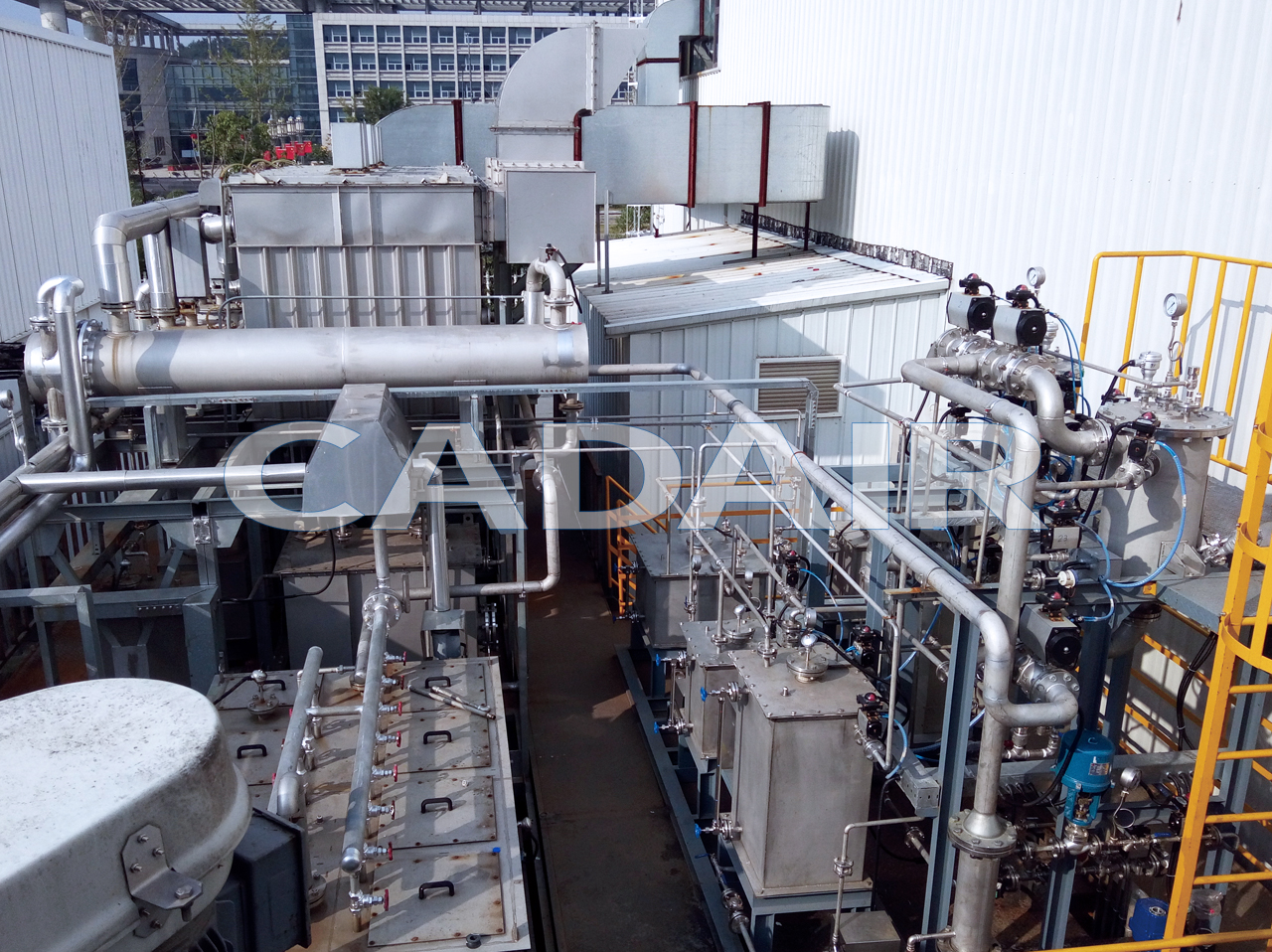
efficiency maximizing premium catalytic oxidizing reactors for gaseous pollutants?
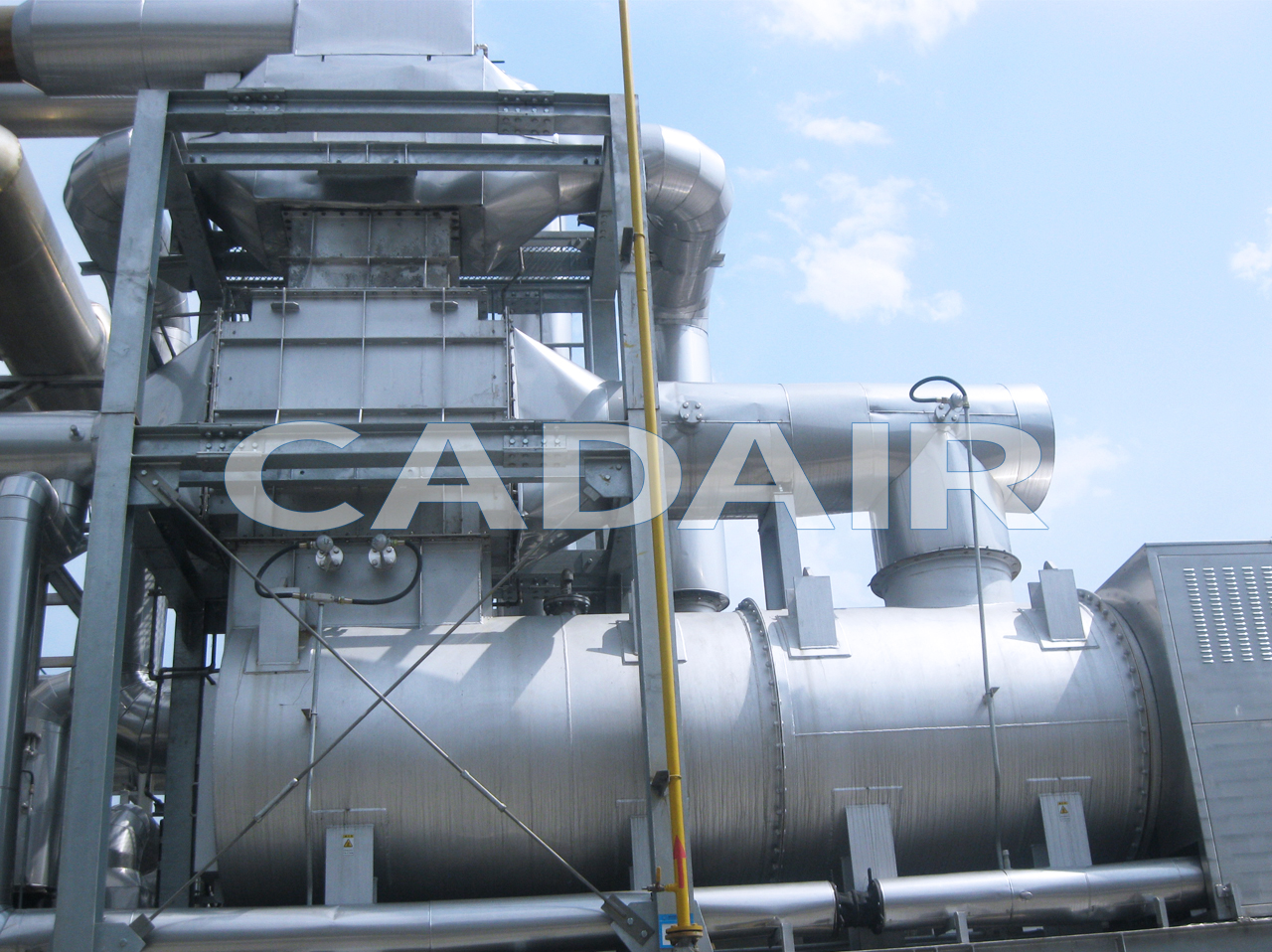
Launching
Volatile organic compounds pose significant threats (Particles) affecting public health and surroundings. Traditional removal methods utilize heavy energy consumption and give off questionable remains. Zeolite spin systems bring renewable methods, ensuring robust VOC extraction inside ambient air. These matrices offer wide surface extents alongside novel voids advocating remarkable VOC retention.
- Furthermore, zeolite revolving apparatuses recover, reducing ecological footprint and expenditures.
- Consequently, zeolite rotor technology gains acceptance in widespread processing fields, including sector emission mitigation, indoor ambient treatment, and effluent processing.
Deployment of zeolite cyclic components shows substantial movement targeting durable VOC adsorption, resulting in natural and economic returns.
Thermal Cycle Oxidizers: Premium Air Handling
Thermal recirculation oxidizers supply state-of-the-art air detoxification. These mechanisms involve thermal destruction steps of fouled vapors at elevated heat levels, exhaustively transforming pollutants into inactive substances. Thermal recycling boosts cost-effectiveness. They effectively eradicate organic volatiles, particulates, and pollutants. Integrated throughout fabrication, medicinal, and wastewater management industries.Positives encompass airborne cleanliness, ecological care, and expense lowering. Additionally, compact design and minimal upkeep make them practical and attractive.
Catalyst-Driven Oxidation: Pollution Control Methods
Factory operations generate noxious vapors. Catalytic oxidation systems mitigate environmental harm. Catalyst components modify damaging molecules into harmless residues. Catalysts advance oxidation pathways conserving energy.
Assorted catalysts operate in various contexts, including exclusive metals such as molybdenum and tungsten. Choosing correct catalysts is key to maximizing removal. Reactor configuration maximizes toxin contact efficiency to elevate catalytic breakdown.
Catalytic oxidation technologies surpass old methods in accuracy. They process designated pollutants maintaining gas integrity. Additionally, they operate at lower temperatures reducing energy costs. Ongoing developments improve catalytic pollution management facilitating cleaner processes and healthier environments.
Enhancing Regenerative Catalytic Oxidizer Effectiveness
Achieving peak performance demands attention to various factors. Selection of suitable catalysts is crucial. Optimization of parameters like temperature and residence time improves performance. Surveillance and appraisal approaches support system health. Routine maintenance and inspections guarantee longevity of the system and execution.
Zeolite Significance in Thermal Oxidizers
Oxidative thermal reactors execute major control of VOC pollutants. Zeolite structures contribute substantially with adsorption and catalysis capabilities. Selective VOC capture boosts oxidative degradation efficiency. Moreover, zeolite catalysts speed chemical degradation cutting heat consumption and maximizing performance.
- Hence, embedding zeolites boosts emission purification, economic fuel use, and green impact.
Examining Zeolitic Substances Versus Conventional Catalytic Materials
New catalytic technology progress encouraged analytical comparisons of synthetically created zeolites evaluated against usual catalysts. Such studies examine catalytic reactions, specificity, heat tolerance, and affordability. Closing by gauging zeolite catalyst effectiveness in complete VOC degradation in RTOs. Research backs refined and eco-based air cleaning approaches.
- Porous zeolitic matrices with expansive interfaces show potential as VOC catalysts.
- Older catalytic materials mostly metal oxide-based reveal shortcomings in efficacy and choice.
Also, evaluations consider temperature ranges, time spans, and feed gas factors affecting synthetic and classic catalysts. This extensive research promotes fine-tuning of RTO catalysts ensuring effective VOC oxidation and energy economy.
Simulation Techniques for RCO Performance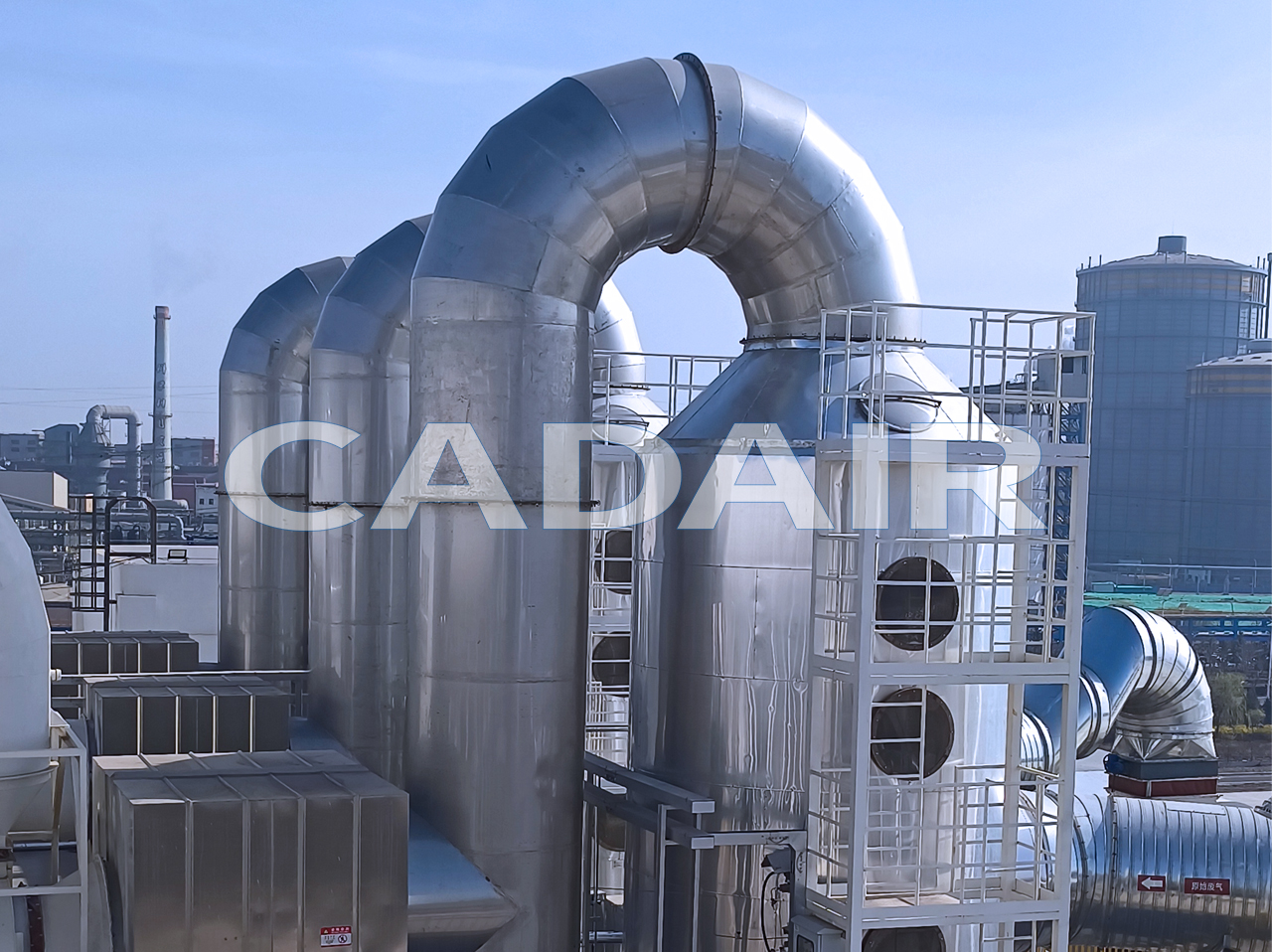
Refined catalytic breakdown systems manifest intricate configurations addressing toxin-laden gases. These systems instigate catalytic transformations breaking down hazardous materials liberating heat byproduct. Their system sophistication necessitates accurate simulations aiding analysis and enhancement. Computational models enable prediction of key parameters under variable operational conditions. Subsequently, modeling efforts disclose drawbacks assisting creation of zeolite rotor rto next-gen catalytic oxidation equipment.Thermal vs. Catalytic Oxidation: Assessing Suitable Solutions
Selecting suitable oxidation methods involves multifaceted evaluations. Thermal or catalytic oxidative technologies provide contrasting merits and compromises. Thermal oxidation mandates high temperature inducing chemistry. Catalytic processes speed chemical conversion under milder heat aided by catalysts. Option relies on effectiveness, price, and substrate nature.
- Hot oxidation usually results in better pollutant transformation but with high energy consumption
- Catalytic oxidation runs cooler reducing operational expenditure and emissions
Comprehensively analyzing operational demands guides right technology choices. Engaging specialists provides valuable guidance to balance performance and sustainability.
Zeolite Rotor Air Pollutant Capture Technology
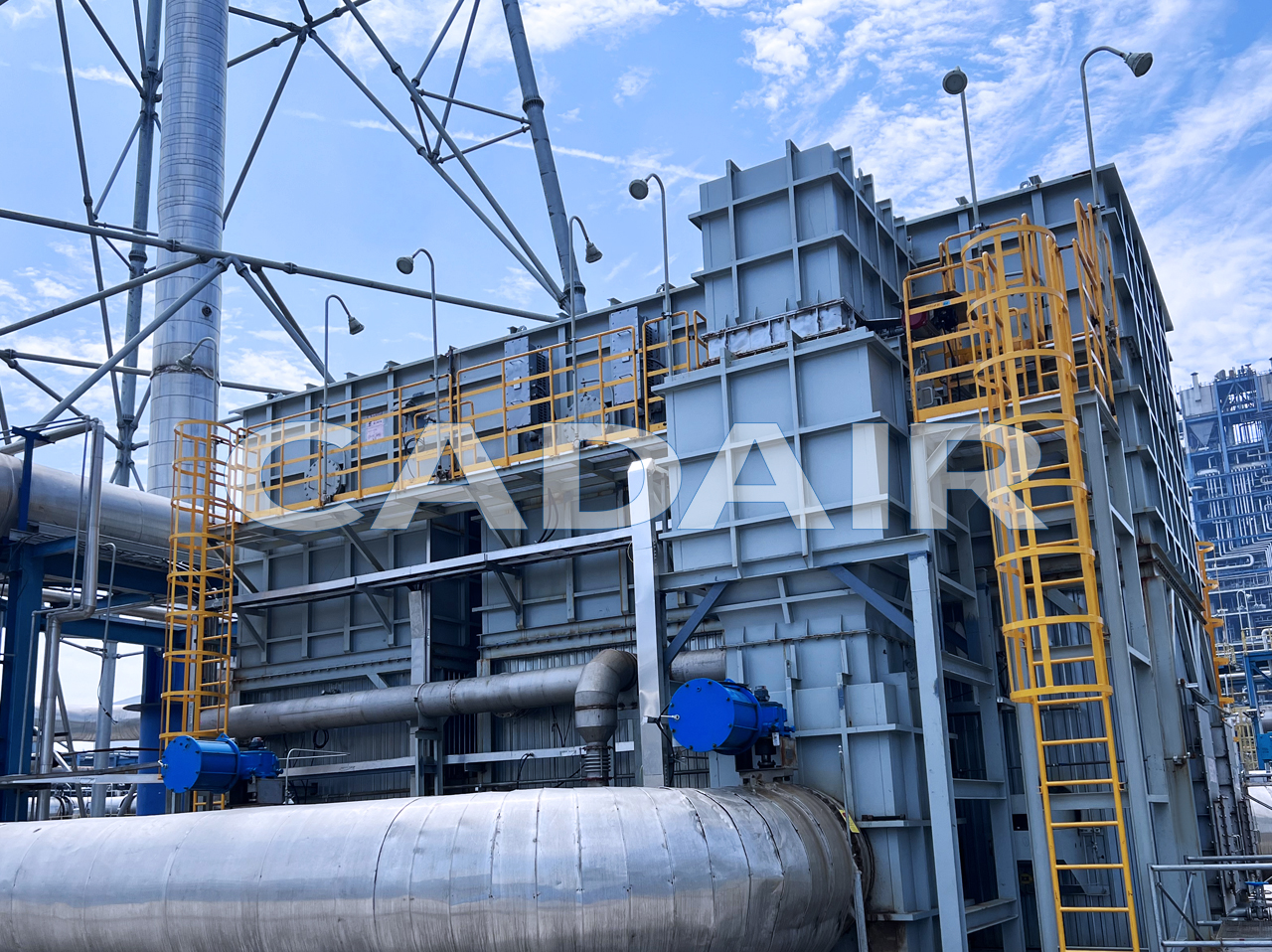
Zeolite rotary techniques appear viable for cutting pollutants across industrial and mobile platforms. Composed of structured zeolite compounds, rotors seize contaminants via structural, reactive, or electrical attraction methods. Cyclic motions guarantee uninterrupted and optimal pollutant mitigation. Various zeolite formulations can be tailored for specific pollutants like carbon monoxide, nitrogen oxides, and VOCs, making this technology adjustable, supple, and comprehensive for broad ecological issues.
- In addition, such technology offers distinct benefits over conventional air pollution systems, including:
- Diminished fuel consumption.
- Compressed configuration.
- Remarkable contaminant elimination.
Active innovation and study persist improving rotor-based zeolite applications, supporting eco-friendly progress in multiple fields.
Demonstrated Success of Regenerative Oxidizer Systems
In the evolving oxidation technology sphere, regenerative oxidizers have proven powerful and promising solutions. Their facility for processing gaseous wastes into resourceful products earns strong recognition.
- A notable example includes a regenerative oxidizer successfully reducing pollutants in a chemical manufacturing plant achieving major emission reduction and demonstrating environmental benefit potential.
- Additional effective application is observed in energy sectors utilizing regenerative oxidizers for fuel cell processes enabling successful and eco-friendly generation of energy from organic materials offering sustainable replacement of carbon fuels.
These reports reflect regenerative oxidizers’ broad use and powerful performance across fields. Persistent research predicts transformative practical implementations for this promising technology in upcoming years.
Progressing Air Treatment: Zeolites in Regenerative Technologies
Confronted with increasing global pollution risks, innovative methods gain priority. Key advancements include integrated zeolite and recyclable system applications. Zeolite materials, prized for exceptional uptake and adjustable cavities, capture emissions effectively. Joined with sustainable units, they allow repeated toxin elimination and reclamation lowering residues and encouraging eco-friendliness. Such integration produces effective solutions confronting multifaceted pollution scenarios involving industrial outputs, vehicular exhausts, and indoor air. Complementarily, ceaseless scientific work fine-tunes zeolite composites and regenerative methods, catalyzing next-level and adjustable air cleansing units.
- Emerging Zeolite Architectures
- Eco-Friendly Process Improvement
- Anticipated Role in Emission Reduction