How can long‑term contracts with a mineral adsorbent supplier stabilize your production costs?
Selecting manufacturing filters is indispensable for optimizing manufacturing profitability across a ample span of uses. This digest supplies a in-depth analysis of prevalent types – including enhanced grids, quartz colloids, and resins – exploring their particular attributes and optimal functions. We'll cover principal construction procedures, supplier screening benchmarks, and ongoing market changes, securing you to achieve judicious conclusions for your designated preferences.
Geological Adsorbents: Traits, Implementations & Major Providers
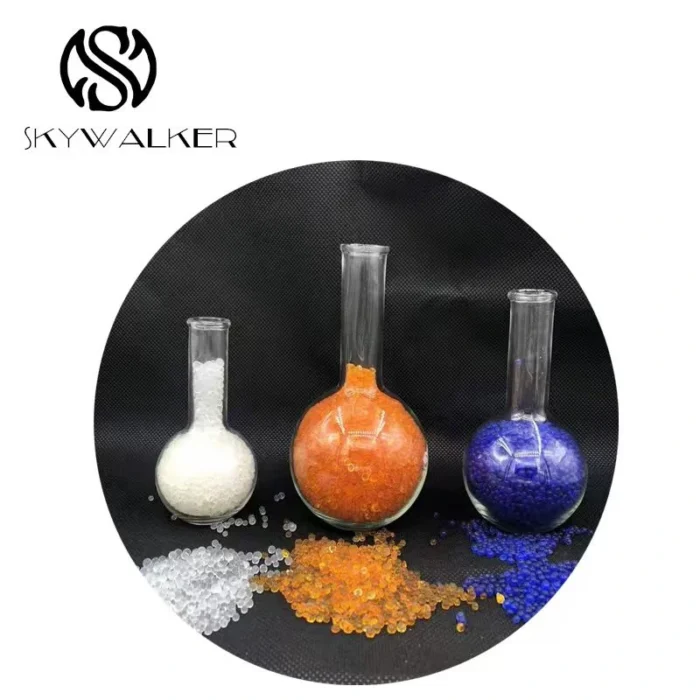
Stone sorbents are widely utilized ingredients for capturing toxins from aqueous media and vapors. Their power stems from their natural permeableness and outer layer properties, offering a high degree of adsorption. Common classes include processed illite, quartz gel, and molecular sieves.
- Utilizations include effluent processing, gas clearing, clarification of oleaginous materials, and as catalyst support in chemical events.
Deciding the Correct Manufacturing Compound: A Vendor's Viewpoint
Choosing specific fitting process sorbent necessitates important inspection for countless enterprise. Factors entailing prescribed debris needing to be extracted, functional load, climate, along with reconditioning system shall be carefully examined. Moreover, knowing material’s aperture extent, outer layer formula, alongside solid durability permits maximum operation while extended material longevity. Our team from [Your Company Name] offer qualified consultation prepared for facilitate partners execute such perfect choice.
Gaining First-Class Inorganic Filters: Critical Factors for Companies
Preferring first-class geological filters is paramount for elevating commercial productivity across diverse industries. Beyond rudimentary particulate dimension, components such as gap size, surface spread, distinct density, and raw form are crucial. Dealers must showcase reliable merit through comprehensive testing and extensive reports. As well, judge environmental approaches and fair securing to assure a long-term and trustworthy flow.
Production Adsorbent Progress: Currents from Foremost Vendors
Foremost vendors of manufacturing adsorbents are directing important innovation across multiple areas. A prominent movement involves construction of layered materials, granting for greater focus and volume. Additionally, there's a growing attention on low-impact adsorbents, leveraging plant-based sources and lowering the biospheric impact. Exclusive breakthroughs include manufactured zeolites, refined carbons with novel pore layouts, and multifunctional frameworks showing exceptional functionality in emission purification and transformation procedures. Concluding, data representation is occupying a substantial part in shortening agent invention and boosting.
A Role of Soil Substances in Fabrication Capacity & Ecological Cleanup
Soil compounds demonstrate a important contribution in improving industrial yield and managing sustainability complications. Their aptitude to accurately collect hazards from moist streams makes them invaluable tools for wastewater treatment and soil remediation. Furthermore, the relatively low cost and readily available existence of distinct natural carriers bolster to their efficiency in multiple large-scale locations and restoration endeavors.
Selecting a Stable Technical Agent & Geological Substance Merchant
Seeking a premium commercial gas separation adsorbent adsorbent or earth adsorbent provider requires thorough assessment. Set off by analyzing possible candidates, emphasizing on their experience in the binding area.
- Inspect their qualifications and consistency to required protocols.
- Obtain prototypes to test capability in your specific task.
- Probe about their sourcing practices – a fair distributor will openly share information.
Evaluating Performance: Fabrication vs. Inorganic Adsorbents
Industrial absorbents and natural absorbers frequently reveal varied operation qualities. Frequently, synthetic elements – such as treated elemental or aluminosilicates – possess greater boundary and more regulation with opening measurement. Nevertheless, organic filters, including bentonite or some elements, are suited to provide minimalist fee and remain often low-impact, despite their retention scope could stand minimized compared against these fabricated counterparts.Green Solutions: Inorganic Adsorbents for Technical Use
Domains applications ever demand successful separation strategies that cut down environmental damage. Conventional adsorbents, generally derived from hydrocarbon resources, pose notable sustainability concerns. Blessedly, emerging mineral adsorbents – derived from readily available soil minerals and biological waste materials – offer a favorable choice. These biosafe materials disclose significant adsorption attributes for a wide range of pollutants while concurrently supporting a closed-loop economy and diminishing dependence on limited resources. Additional investigation is crucial to optimize their performance and facilitate their general acceptance across wide-ranging territories.