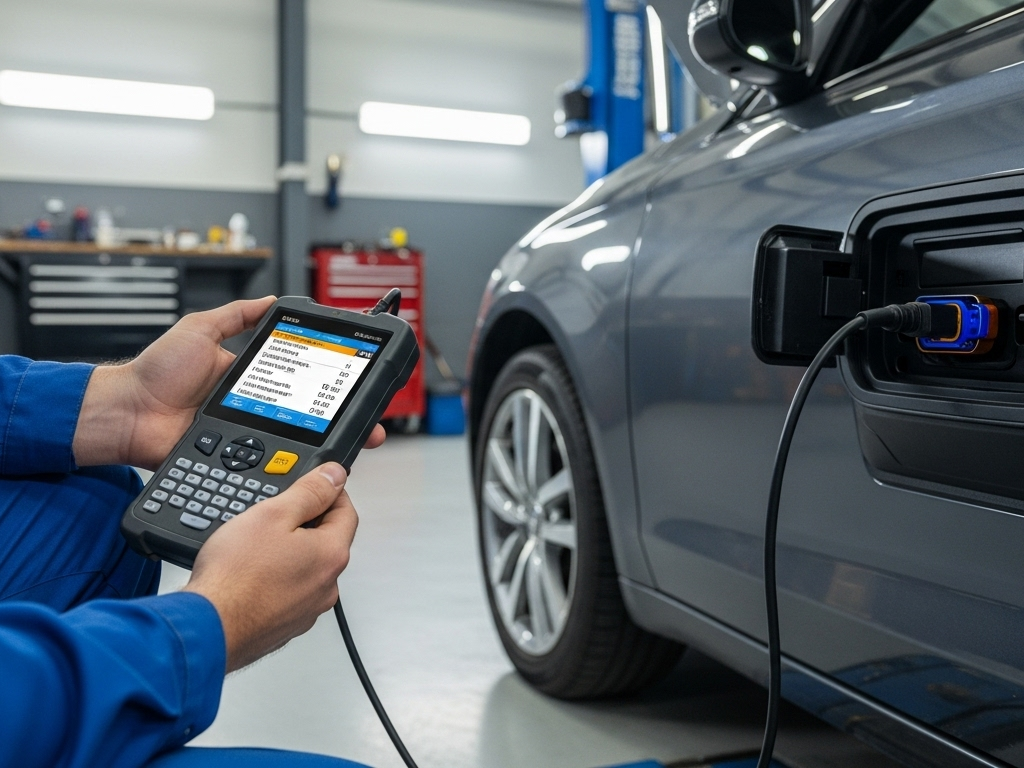
How do advanced OBD2 adapters enable real-time collaboration between drivers and technicians?
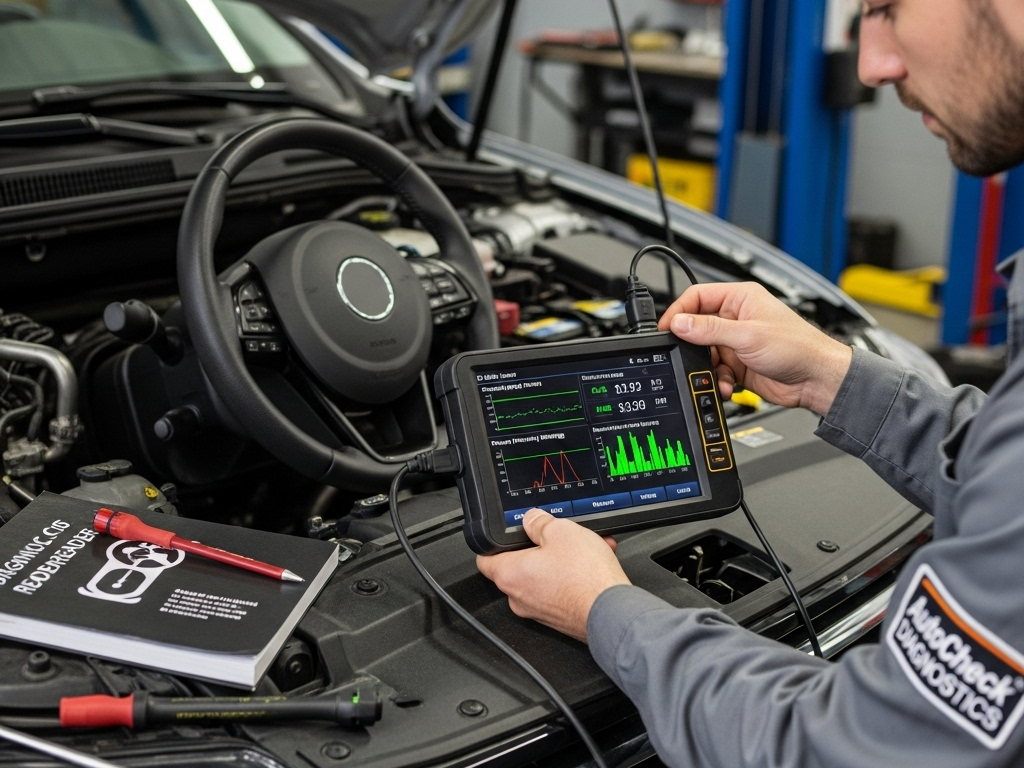
Commencing
Complete surging complication regarding advanced engines requires an entire extensive perception of diagnostic methods, particularly concerning On-Board Diagnostics II (OBD2) and Tire Pressure Monitoring Units (TPMS). Through Europe, Asia, and the US, these solutions apply using alternative frequencies. OBD2 protocols are largely unified globally, chiefly utilizing ISO 9141-50, KWP2000, CAN, and others, but regional executions can cause minor distinctions. TPMS, however, is where pronounced frequency diversities materialize. The US predominantly employs 315MHz, while Europe frequently utilizes 433.92MHz, and Asia manifests a more multifaceted range including both frequencies and further bands. As a result, reliable diagnostic machinery must be supplied with the competence to read these diverse frequencies to aid effective repair and maintenance.
Understanding TPMS Sensor Frequencies: A Global Guide (Europe, North America, Asia)
Grasping tire pressure watching contraption (TPMS) reader channels through the earth becomes complicated. Usually, North countries predominantly utilize 315 MHz, even though some latest vehicles apply 433 MHz. On the other hand, Europe and most of Asia typically operate on the 433 MHz transmission, with some district variations occurring mainly in certain Asian zones. Thus, important to verify the precise waveband ahead of purchasing TPMS readers to promote suitability and shun feasible complications.
Battery-Powered Vehicle Readers: OBD2 Compatibility and TPMS Integration
Up-to-date electric ride readers are increasingly integrating necessary functionality, especially regarding both customary On-Board Diagnostics II (OBD2) functionality and Tire Pressure Monitoring System (TPMS) linking. Plenty of eco-friendly cars utilize OBD2 ports for collecting necessary system metrics, facilitating technicians and possessors to recognize anticipated shortcomings. Furthermore, consistent TPMS combination provides accurate tire tension figures, aiding to boosted defense and diesel conservation. This collaboration of OBD2 connectivity and TPMS service represents a substantial leap in battery transport troubleshooting.
Tire Pressure Frequency Distinctions: Eurasia vs. American Continent vs. Asia - A Comprehensive Evaluation
The mechanisms responsible for supervising tire pressure—TPMS—operate on individual radio signals, leading to essential regional differences. USA predominantly utilizes 315 MHz, though some advanced vehicles are transitioning to 433 MHz. The EU mandates 433.92 MHz, a distinct frequency to certify compatibility across nations. Eastern Asia exhibits a complicated landscape, with some nations using 315 MHz, others 433 MHz, and still varied regions employing a conglomerate of both. This dissimilarity brings challenges for tire shops and operators when dealing with replacement TPMS transmitters or diagnostic machinery, involving careful assessment of regional provisions to avoid problems and promote proper performance of the TPMS.
OBD2 Scanners for Electric Vehicles: TPMS Analysis & Frequency Interpretation
New auto readers are quickly growing to handle battery autos, notably relating to tire sensor systems evaluation. Unlike petrol-driven automobiles, electrified autos present individual obstacles when it comes to tire data verification. Many battery vehicles use distinct tire sensor platforms transmissions requiring the tool to exactly process the broadcast in use. This capability provides repairmen to merely observe pressure metrics but also locate the accurate wavelength being beamed by the TPMS units, assisting in reliable analysis of malfunctions.
Asia Tire Pressure Monitoring Systems Ranges: What Ought to Learn?
Exploring the world of transport TPMS can be a obstacle, primarily due to the varying waves utilized across Europe, Asia, and the United States. Continental vehicles predominantly use 433.92 MHz, while various Asian countries employ 315 MHz and 433.92 MHz, creating a difficult situation for installers. In the US, both 315 MHz and 433.92 MHz are prevalent, with 315 MHz being more widespread. Therefore, understanding these regional inconsistencies is indispensable for accurately fixing TPMS difficulties and selecting the right programming tools.
Evolving a Basics: Automotive Diagnostics, Energy-Powered Rides, & TPMS Apparatus Wave Identification
Concerning advanced motor vehicle technicians, exclusively comprehending certain foundations of automobile systems, electrified transport architecture, in addition to pressure tracking transmitter wave detecting signifies some important further milestone. This subjects dive inside standard methods, mandating specialized instruments combined with competency to correctly detect along with solve complex problems involving tyre performance, volt configuration productivity, or powertrain error messages. Additionally, accurately detecting tire sensor systems unit transmissions – that are differ between separate companies alongside designs – frequently necessary in smooth adjustment.
EV System Analysis: Using OBD2 Scanners to Troubleshoot TPMS
Fixing Tire Pressure Monitoring Systems tire monitoring in electric vehicles electric cars often includes more than only visual inspection. Modern OBD2 checkers offer remarkable ability to retrieve TPMS data and discover potential failures. Utilizing these devices, technicians can examine fault codes, verify sensor reliability, and even carry out sensor assessments, allowing for rapid diagnosis of sensor failures and minimizing service disruption. It is is especially critical given the widespread complexity of EV architecture.
Understanding Tire Pressure Monitoring Systems Wavelengths: A Simple Handbook for Continental Europe, the Asian Region, and American Continent
Successfully working with wheel pressure devices all through the EU, Far East, and US and Canada imposes a complete knowledge of the diverse wave channels they work with. Different than a uniform system, every area over-the-air verification usually uses specific frequency bands. Namely Western Europe chiefly employs three hundred fifteen MHz and 433 MHz frequency range, while The Americas typically depends on three-one-five MHz while some current cars could feature 433.92 MHz. Asian Subcontinent demonstrates a broader variety landscape, with diverse spectral regions used, depending on the area and automobile producer.
- Think about territory restrictions regarding radio wave.
- Refer to your vehicle directory for designated spectrum.
- Employ a pressure detecting scanner capable of processing varied broadcasts.