How do you evaluate lid fit and pour precision when selecting a Yixing Zisha Teapot supplier?
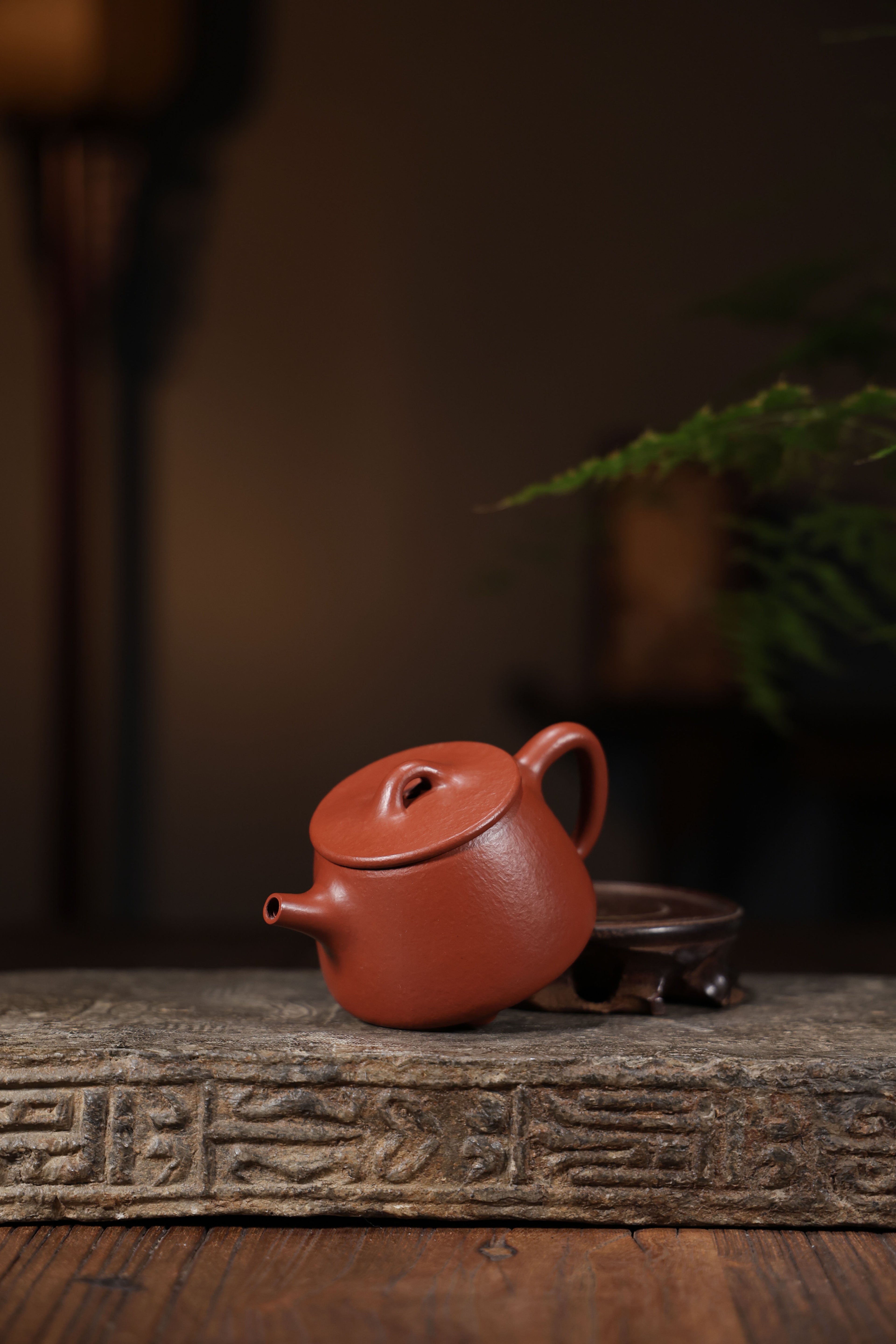
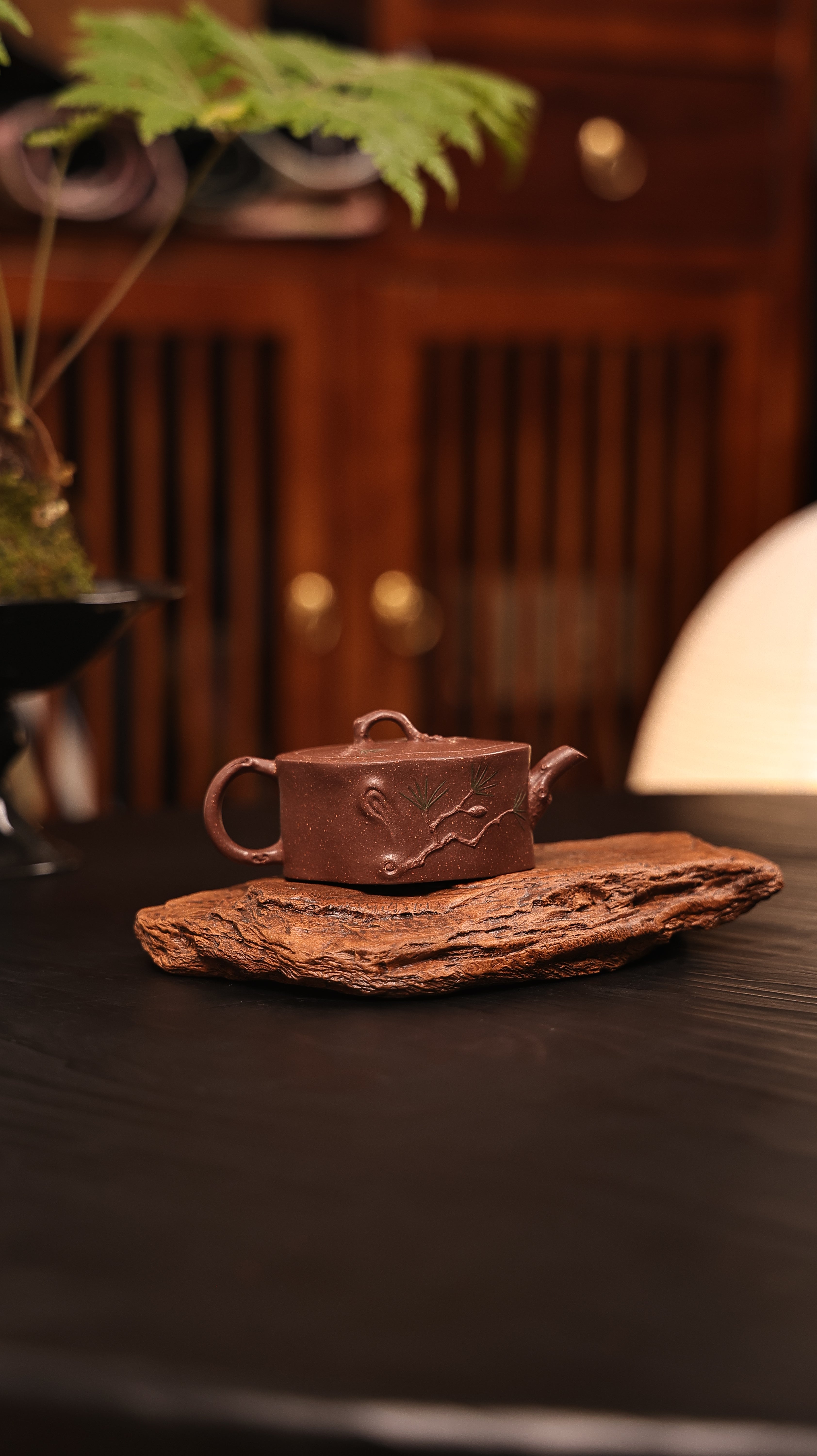
Periods in enthusiasts have long favored the exceptional enchantment of Yixing Zisha teapots. Existing in the tranquil town of Yixing, the nation, these pots are fabricated from a singular and harvested purple clay esteemed for its superior thermal features and tendency to enhance the richness of extracts. Outside of their effective worth, Zisha teapots symbolize a lasting social background, causing them highly treasured and a undisputed jewel for any serious teapot connoisseur.
Discovering Yixing Vessels
These teapots highlight a singular combination of history and artisan craftsmanship. Existing in Yixing, Jiangsu District of China, their narrative traces to the Ming Dynasty, although clues suggest earlier versions. The unique plum clay, called Zisha, found only in the Yixing region, is the vital component, contributing to the pots' remarkable heat stability and the manner they control the essence of tea. Generations of potters have improved techniques—often inherited through families—including sculpting the clay, applying ornate embellishments, and firing the pots at deliberate temperatures.- Initially, Yixing teapots were often ornamented with simple designs.
- Thereafter, more sophisticated carvings and expressive motifs became common.
- The baking procedure itself is a essential element, requiring decades of proficiency.
Accumulating Zisha Teapots: Key Aspects
Setting out on a search to assemble Zisha earthenware can be enjoyable, but it’s essential to comprehend what to analyze. Authenticity is vital; focus on the soil’s natural color, a earthy reddish-brown is regular. Examine the surface; genuine Zisha has a particular tactile sensation, often described as slightly textured. The outline should be pleasing and consistent with historical styles, while inscriptions, if present, require painstaking examination for authenticity. Don’t resist to consult with qualified collectors or trusted resources – their understanding is invaluable.
The Earthenware: Understanding the Lineage of Yixing Zisha Clay
Epochs have seen Yixing Violet Clay teapots keep a exceptional role in Chinese tradition. These carefully constructed pots, sourced exclusively from the locale of Yixing, are famous for their unique hue, texture, and their ability to enhance the essence of decoctions. Scores of collectors seek antique Yixing teapots, prizing them immensely not only for their aesthetic attractiveness, but also for the records they stand for.
Yixing Zisha Teapots: An Top Kinds and Their Attributes
Yixing Pottery teapots, established in the authentic territory of Yixing, the country, are esteemed for their singular clay and excellent brewing functions. Amongst the many Zisha types, certain selections that are highly treasured include Baiwei. Binzhou, known for its vivid purple shade and velvety texture, delivers a soft flavor. Duan Ni clay, recognizable by its brownish color and slightly grainy feel, is believed to enhance a robustness. Lastly, Zhuni variety boasts an infrequent crimson tone and can offer a agreeable nuance. Each class presents a distinct experience, facilitating them notably desirable with beverage enthusiasts.
Mastering Unique Earthenware Vessel
To unlock the virtue of your Yixing pot, understanding the correct modus operandi is indispensable. These clay vessels, celebrated for their porosity, will successively incorporate the flavor of the tea you formulate within them. Begin by flushing the teapot thoroughly with tepid water. Then, use only top-grade raw leaf tea, as lower quality options can weaken the vessel’s delicate nuance. Always permit the leaves to open completely, and remember that with each application, your Yixing vessel will become perpetually distinct.
Protecting Your Rare Zisha Artifact
Proper support for your Zisha vessel is imperative to extending its value and significance. Zisha clay, respected for its unique pigmentation and surface, Chinese Teapot requires careful handling. Never use intense cleaners, as these can wreck the glaze. After every employing, rinse the kettle with comfortably warm water and allow it to air out completely.
- Shun soaking the teapot for extended intervals.
- At intervals use a soft rag to dress the exterior.
- Think about applying a thin layer of food-grade fat inside the jar after drying, which can reduce staining.
A Beginner's Guide to Yixing Containers
Yixing kettles, originating from the Yixing area in Jiangsu Province, the Chinese territory, are celebrated for their distinctive qualities. Produced from the unique purple material known as Zisha, these pitchers are prized by tea enthusiasts worldwide. This manual will clearly explain the nuts and bolts – covering varieties of Zisha material, typical shapes, and fundamental care advice. Understanding the origin of Yixing earthenware can expand your appreciation for this celebrated example of Asian artistry.
Expertise of Oriental Kettles: Highlighting Zisha sourced from the Yixing area
Zisha material from Yixing locality represents the peak of Chinese pot design, boasting a special fusion of unprocessed beauty and utilitarian artistry. These distinguished pieces are esteemed for their dynamic tints, often encompassing deep purples and rust hues to subtle greys and delicate beiges. The specific mineral composition of the regional Zisha earth imparts a typical texture and creates a pleasing aroma that enhances the overall extract experience, affording them exceptionally wished-for collectibles and key components of any serious practice.