market focused Mud Recycling System franchise models?
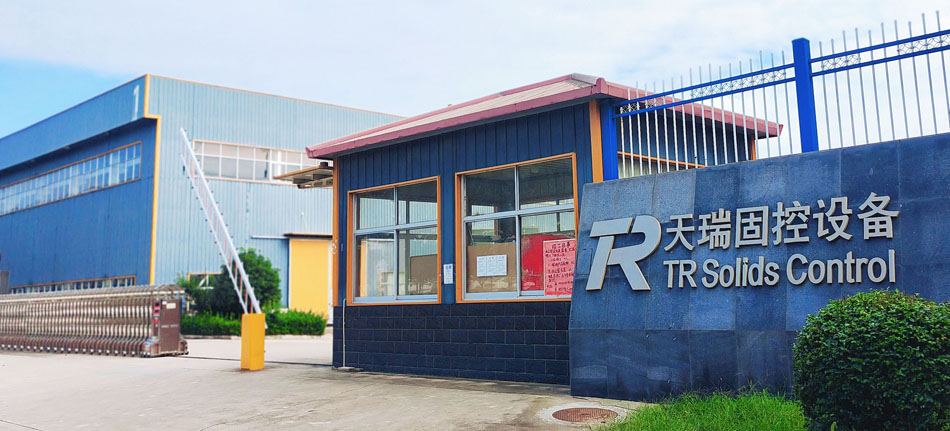
Inside the challenging fields of fossil fuel harvesting effective management of drilling residues TR Solids Control is essential.
Drilling fluid screens provide a crucial service in separating particles and sediments from drilling liquids, thus attaining maximum well hole soundness and effectiveness. In order to improve their performance, optimizing shaker unit operations entails unifying various variables. This implies determining an apt shaker style and mesh sizing with drilling criteria in mind, routine maintenance to counter deterioration, and integrating advanced approaches for suspension flow. Through scrupulous attention to these issues, operators can realize notable advantages concerning drilling productivity, waste diminution, and comprehensive procedural sustainability.
Shaker Screen Options: Ensuring Effective Drilling Liquid Separation
Exact selection of shaker screes influences successful drilling slurry separation. These barriers help critically in clearing solids and dirt from drilling slurries. Screen gap dimensions involve critical assessment aligned with fluid constitution and particulate kinds. Selecting wrong shaker meshes might bring about diminished fluid purity, hindering drilling functions.
Accurate removal of granules from drilling mixtures is vital for well penetration steadfastness. Improving drilling outcomes, enhancing operational longevity, and minimizing formation harm. A meticulously crafted shaker mesh system can substantially elevate total drilling productivity.
Leading-Edge Solutions for Sustainable Drilling Waste Treatment
The petroleum extraction sector produces immense volumes of drilling residue, creating noteworthy ecological concerns. To counteract these issues, experts tirelessly devise state-of-the-art treatment methods. These treatments work to lower waste volume and harmfulness while reusing beneficial components. Notable advancements include bioaugmentation, physical purification, and chemical processing. On employing these innovative methods, the industry pursues cleaner activities, curbing environmental damage and aiding global health.
Optimizing Function of Muck Reclamation Units: Lowering Ecological Impact
Enhancing slurry reclamation strategies is essential for mitigating ecological harm connected to building and industrial efforts. With efficient residue reclamation, waste discarding lessens markedly, protecting resources and minimizing contamination. A first-rate mud reclamation setup integrates elements supporting superior effectiveness. They encompass cutting-edge segregation systems, comprehensive sanitizing procedures, and eco-friendly waste management for scraps. Moreover, regular servicing and staff instruction prove essential to maintain system productivity and lower ecological harm.
Coordinated Efforts in Joining Shaker and Drilling Fluid Recycling Systems
The hydrocarbon sector persistently pursues novel means to enhance drilling efficiency. Cuttings reutilization is a major segment bolstering these plans. State-of-the-art unified solutions emerge to tackle the challenges posed by mud recycling mechanisms, offering numerous benefits. Integrated constructs merge various devices to amplify productivity, minimize pollution, and support total operational success. Eventually, they augment drilling procedures encompassing results and environmental welfare.
Evolution in Waste Filtration and Isolation During Drilling
The fuel extraction domain constantly aims to diminish environmental impacts of activities. A core focus involves controlling drilling detritus through proficient screening and particle segregation within drilling slurries. Advanced developments in sanitizing and differentiating methods introduce constructive techniques to reduce waste sizes and advance recycling or disposal.
- Innovative layering membranes and active carbon types illustrate pioneering filtering agents withdrawing extended pollutant ranges in drilling blends
- Sedimentation, rotation, and gravity-based approaches become more exact in separating liquids and solids in drilling wastes
- Mechanized, intelligent, and AI-assisted units embed within filtration and segregation mechanisms enhancing efficiency and surveillance
Also, analysis proceeds on unconventional drilling refuse elimination methods, embracing redevelopment through refurbishment.
Apprehending the Importance of Shale Separators in Fluid Handling
Cuttings removal shakers function essential roles inside crude oil sectors to clear drilling leftovers. Such detritus involves stone splinters, crystalline fragments, and other residuals accrued throughout drilling phases. Competent extraction of detritus is important to retain fluid properties necessary for drill bit heat dissipation, lubrication, and wellbore health. These devices operate with oscillatory movements to isolate solid cuttings from lighter fluid phases. Separated debris accumulates in containers and cleaned drilling fluids recycle back to drilling operations. Proficient recycling of drilling liquids aids greater drilling success, budget savings, and minimal ecological consequences.
Shaker Screen Configuration Optimization to Minimize Drilling Residues
Rearranging shaker mesh design forms a significant approach in diminishing drilling detritus. Correct shaker screen adoption significantly sharpens particle filtering, decreasing dumping demands. Diligent assessment of slot dimensions, mesh placement, and slurry speed guarantees optimal filtering. Such initiatives combined sustain ecological guardianship by lessening extents of manufactured scrap.
Forecasting Drilling Waste Handling Innovations: Automated and Connected Solutions
Oil and gas sectors progressively adapt to meet growing business expectations and compliance standards. A prominent matter appealing to stakeholders is drilling junk management, employing intelligent and automated platforms. With utilization of these advanced systems, the field significantly decreases environmental harm and optimizes processes.
Automated platforms, robotic mechanisms, and smart sensors already assist real-time monitoring of drilling waste. These provide crucial data generating insights valuable for refining treatment protocols and waste management strategies. Compiled intelligence strengthens improving functioning setups and creating cutting-edge innovations.
Furthermore, advanced software involving neural networks, forecasting, and data analysis help pinpoint problems ahead of time. Such readiness mindset promotes quick fixes, minimizes environmental impact, and circumvents operational issues.
Concrete Reports Confirming Effectiveness of Shale Shaker and Mud Recycling Implementations
The oil and gas industry consistently endeavors new techniques to enhance drilling throughput and lessen ecological harm. Examinations reveal pivotal progress emerging from shale shaker and drilling fluid reuse setup utilization. The systems distinctly assist drilling progress by removing particulates from slurries and fluid reuse management, resulting in considerable savings and refuse decrease.
Fresh certified assessments present implementation of shaker machinery in broad drilling engagements. Beneficial effects incorporate significant cuts in drilling slurry dumping costs and diminished ecological impacts. Additionally, recycled drilling mixtures display refined qualities bolstering stronger borehole support and diminished blowout hazards.
- Various investigations verify shaker apparatuses’ role in clearing particles from drilling liquids, expanding device endurance and cutting repair frequency
- Slurry reuse arrangements confirmed effectiveness in decreasing water requirements and managing pollutant release in ecosystems
Blending shale shaker and drilling fluid reprocessing devices embodies a transformative leap in drilling regimen, presenting vital operational and ecological gains. Unremitting progress matched with original practical instances arms these structures for deepening impact in evolving petroleum technologies.
Upgrading Shaker System Workability through Cost-Efficient Techniques
Advancing shaker performance paired with expense control marks a notable factor in productive drilling practices. Leveraging economical strategies can effectively heighten shaker capacity and lessen aggregate costs. Key techniques include habitual mesh examination for wear, ensuring appropriate vibration degrees, and adjusting fluid throughput per operational needs. Detecting challenges early and utilizing frugal remedies produces optimized function and robustness in shaker apparatuses.