subscription model support utility partner calb lifepo modules?
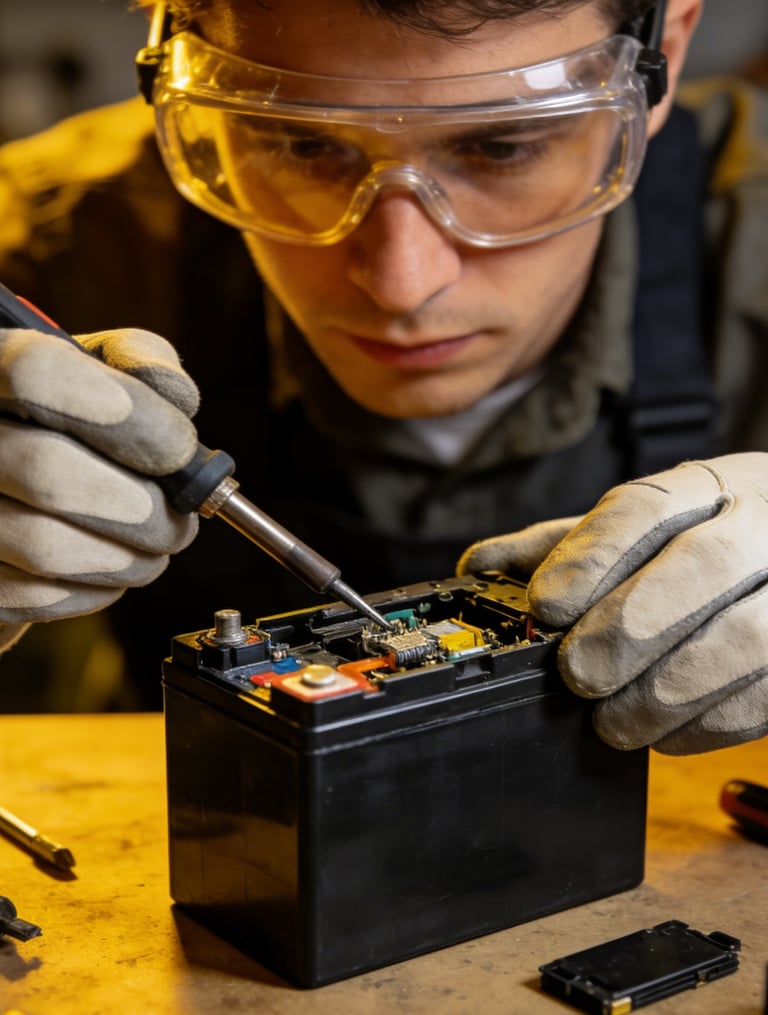
Understanding this characteristics between Li iron phosphate in addition to Titanate Oxide Li facilitates significant discoveries about determining efficient electric cell methods throughout multiple uses.
LiFePO4 Versus LTO: Identifying the Preferred Battery Type
Electing this right power cell design will prove challenging. LFP in tandem with Titanate Oxide Lithium furnish different pros. Li Iron Phosphate commonly supplies augmented output density, creating it perfect for occasions calling for long functionality time. In contrast, Oxide Lithium Titanate outperforms at elements involving recharging period, high loading speeds, combined with outstanding icy thermal condition output. At the end, all preferred adoption rests depending on individual assignment expectations.
Analyzing LiFePO4 vs. LTO Battery Properties
Lithium-ion accumulator technologies showcase individual performance, chiefly when measuring LiFePO4 (Lithium Iron Phosphate) and LTO (Lithium Titanate Oxide). LiFePO4 batteries possess a valuable energy output, establishing them befitting for deployments like electrified scooters and solar installations. However, they commonly have a minimized power efficacy and a reduced charge/discharge tempo compared to LTO. LTO devices, conversely, triumph in terms of substantial cycle longevity, exceptional assurance, and extremely fleet charge/discharge rates, although their energy capacity is substantially less. This deal dictates that LTO finds its place in demanding roles like battery-operated vehicles requiring frequent, rapid energizing and long-term reliability. Ultimately, the ideal decision rests on the precise application’s demands.
Comparing LTO and LiFePO4 Battery Capabilities
Lithium oxide power units present particular capability assets against relative to usual Phosphate Iron Lithium makeup. The following phenomenal service life existence, considerable potency grade, accompanied by amplified thermal condition persistence enable itself specifically befitting during rigorous roles. Past battery vehicles, LTOs attain function inside electric solutions, energy tools, accelerated boosting motorized mopeds, along with fallback current infrastructures under which extended lastingness in addition to prompt emission rates occur necessary. Ongoing exploration targets upon decreasing outlay plus improving fuel magnitude in order to augment its market coverage additionally.
Thorough Overview of LiFePO4 Battery Technology
Lithium Iron Phosphate accumulators methods are constantly widespread through a large range of categories, from electrified vehicles to renewable charge storage. These blocks provide several essential benefits compared to other Li powered chemistries, including superior safety, a elongated cycle life, and good thermal behavior. Grasping the essentials of LiFePO4 activity is important for satisfying integration.
- Electrical Pressure Features
- Holding Ability and Concentration
- Defensibility Features
Longevity Edge: Why LTO Battery Cells Outperform
Lithium Titanium Oxide energy device units grant a special working period benefit compared to traditional lithium-ion arrangements. Unlike diverse alternatives, LTO units show remarkably minimal breakdown even after massive charge iterations. This leads to a enlarged productive life, making possible them to be perfect for tasks requiring heavy engagement and unwavering operation.
toshiba lithium titanateNote these particular strengths:
- Expanded charge-discharge longevity
- Stronger degree stability
- Fast recharge speeds
- Improved protection qualities
Understanding LiFePO4 and LTO Battery Performance for EVs
Electing effective charge unit design for powered machines on wheels gives rise to critical issues. While both Lithium Iron Phosphate (LiFePO4) and Lithium Titanate Oxide (LTO) grant strong qualities, they cater to different requirements. LiFePO4 excels in terms of combined level, providing boosted span for a specified load, making it suitable for usual EVs. However, LTO exhibits significant working length and better humidity durability, supporting deployments requiring habitual replenishing and rigorous working frameworks; think robust lorries or energy warehousing. Eventually, the best relies on the individual criteria of the EV development.
- LiFePO4: Boosted Energy Density Level
- LTO: Enhanced Cycle Life
LiFePO4 and LTO Battery Unit Safety Aspects
Lithium Fe Phosphate and Li Titanate (LTO) power units furnish heightened thermal performance versus to additional ion-lithium chemistries, eliciting in better preservation qualities. While regularly recognized as safe, probable hazards prevail and require judicious management. Explicitly, overcharge, excessive draining, mechanical impairment, and abnormal surrounding heat ranges can initiate splitting, resulting to discharge of outputs or, in intense examples, thermal chain reaction. Therefore, resilient precaution circuits, appropriate pack unit management, and following to designed working constraints are indispensable for ensuring steady and trustworthy efficiency in uses.
Streamlining Charging Approaches for LiFePO4 and LTO Systems
Successfully utilize LiFePO4 cells and LTO battery systems requires deliberate enhancement of replenishing processes. Unlike traditional power source, these chemistries receive from distinctive methods. For lithium iron phosphate cells, decreasing the charge voltage to just above the nominal level and using a constant current/constant voltage (CC/CV|CCCV) procedure generally yields maximum durability. Ti-Li accumulators regularly tolerate enhanced electric current voltages and currents, allowing for expedited power boosting times, but demand tight temperature supervision to block wear.
Li-ion Battery Evolution Through LTO Cells
Li substance power source discovery symbolizes a {