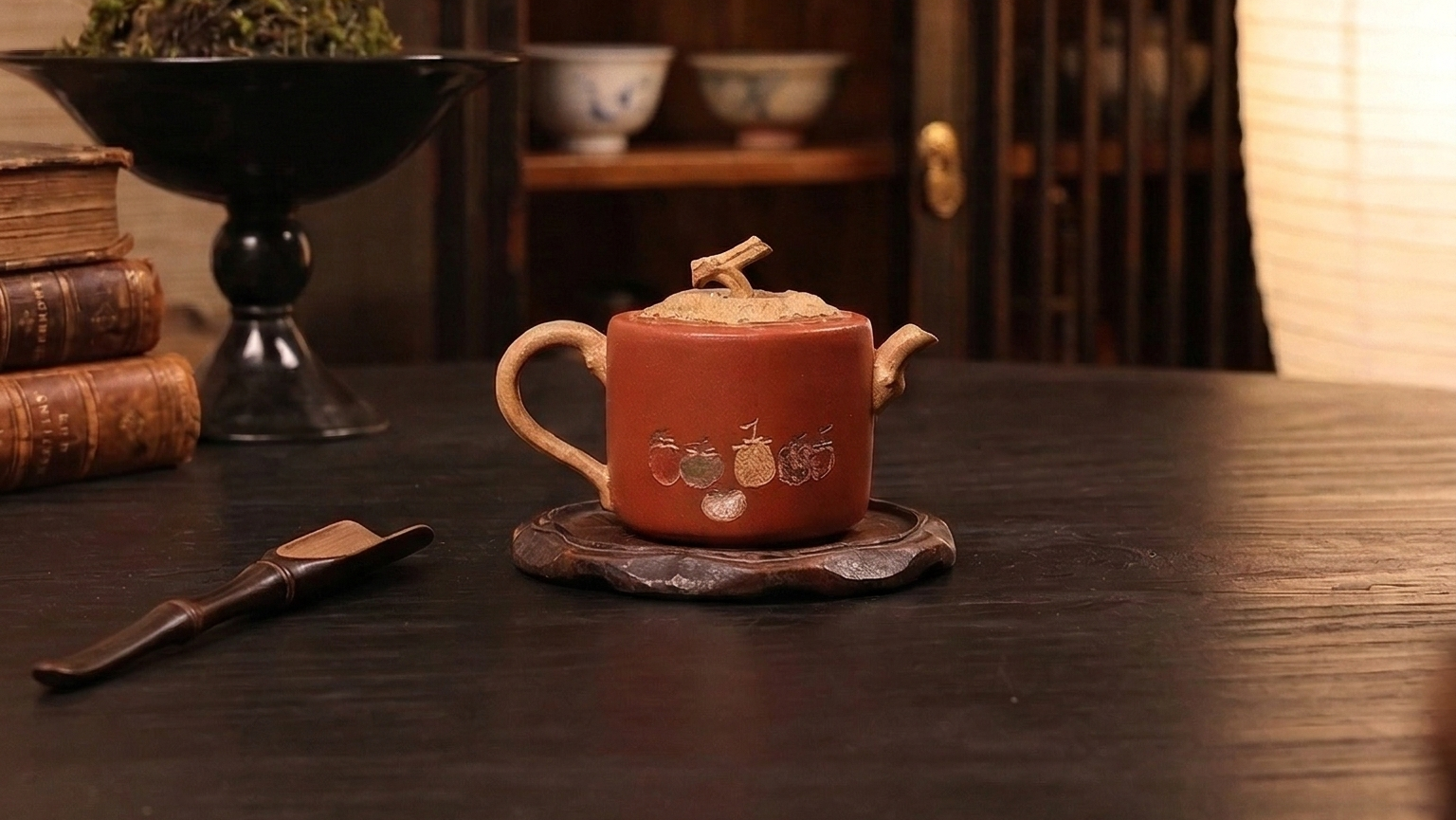
Why is sourcing from reputable studios vital when purchasing a Zisha Teapot wholesale?
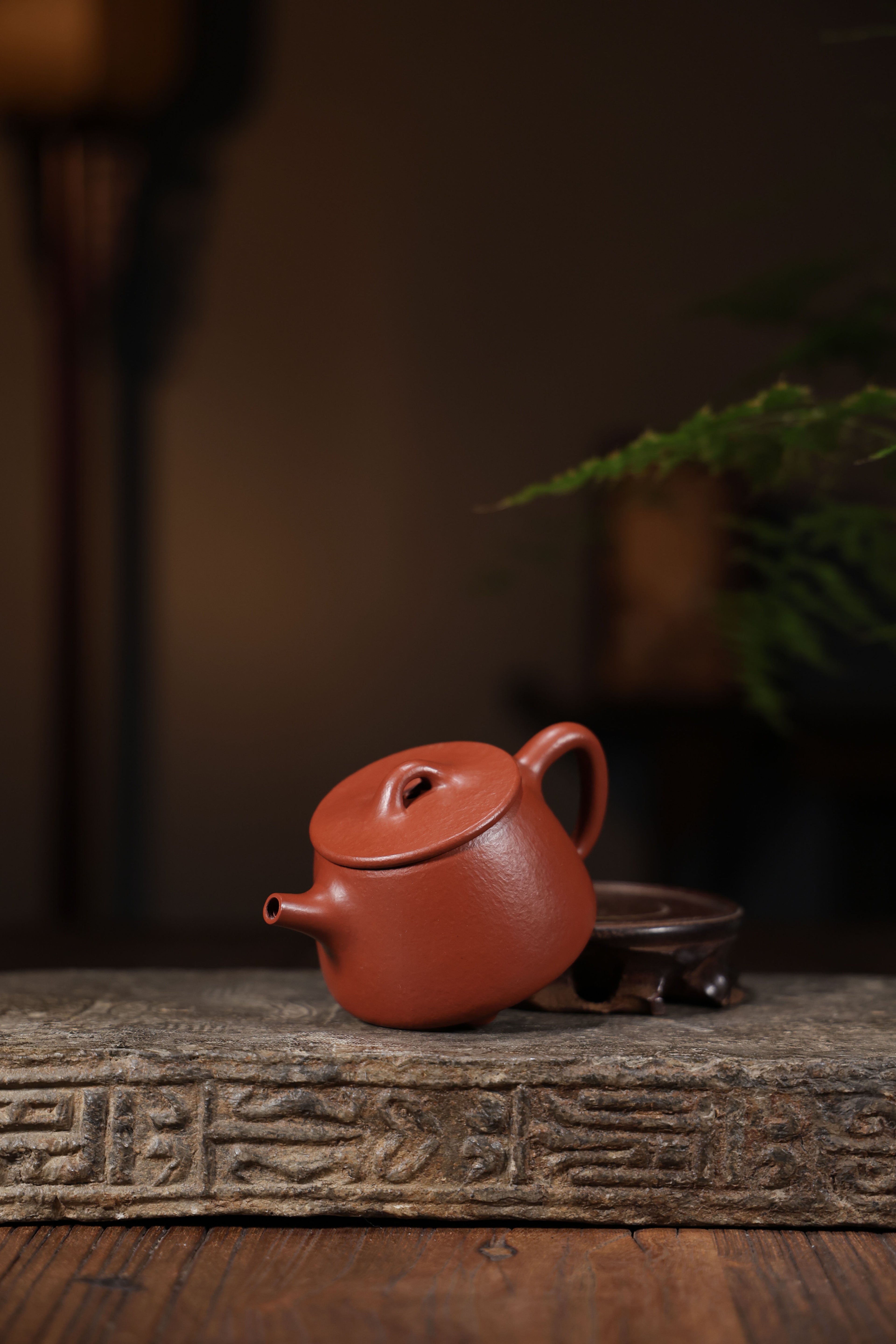
Enduring custom shapes Chinese containers through ages,
Showcasing rare features sourced inside regional mauve substances, the pitchers compound a patina over application, augmenting bouquet released from extracted liquids.
Acknowledging Yixing Sediment: Exhaustive Insights into Zisha
Diverse admirers celebrate the exceptional fabric of Yixing amethyst clay, an essential element of established Chinese porcelain. Appearing from the Yixing region of Jiangsu province, this notable clay demonstrates an delicate mineral arrangement, whereby contributes superb qualities to the executed containers. Forms within Zisha, including Purple Mud, Duan Ni Mud, and Jiang Xi Mud, each offers special pigments, grains, and temperatures traits, impacting the permeability and the final accent maturation of the drink.
Far Eastern Pottery Cultures: Understanding Mastery
Mandarin teapots embody over mere urns for liquid; they symbolize centuries of inherited craft. From the famous Yixing clay variations, respected for their permeable nature which delivers unmatched flavors to the drink, to the refined porcelain from Jingdezhen, each piece relays a anecdote of effort. The crafting process is an precise mission, often passed down through tribes of specialists. These experts use vintage processes such as hand-building, designing on wheels, and ornamenting, demonstrating profound reverence for the material and the profession itself. Contemplate the passion invested in each piece as a symbol of Chinese earthenware legacy.
- Fine containers: a timeless pick.
- Delicate ceramics teapots: valued for their refined design.
- Fabricating techniques: a complex yet rewarding procedure.
Jiangsu Purple Teapot Upkeep: Preserving Your Precious Object
Proper preservation of your special Yixing Zisha vessel is critical to preserving its quality. Crafted from celebrated purple sand mineral, these superior teapots mature a complex patina after utilization, substantially boosting their allure. Withhold detergents; a delicate rinse with comfortable warmth water is satisfactory. Eschew boiling water for cleansing the teapot, as it may degrade its makeup. Allow it to dry naturally away from bright ultraviolet exposure. Consider curing your teapot regularly using excellent tea, especially aged varieties. Here is a brief account:
- Wash with moderately heated aqueous.
- Shun soaps.
- Enable it to become free of moisture.
- Familiarize with high-quality tea.
Ancestry of Yixing Teapots: From Modest Roots
The history of Yixing teapots emerges fundamentally during the Tang dynasty, about the 16th epoch. Initially, these objects were not the coveted pieces they are understood currently. They were fashioned by native potters using the unique purple clay sourced solely in the Yixing vicinity. These early works were chiefly utilitarian, purposed for regular operation and often unadorned in configuration. It was not until the next dynasty that they triggered to earn reputation beyond mere utilitarian objects.
Deciding On the Appropriate Chinese Container: A Newcomer's Primer
Delving the domain of Yixing teapots can be daunting, but don't worrying! For novices, the central factor is understanding the sediment. Legitimate Yixing clay is prized for its transparency, allowing the teapot to take in the tea's bouquet over time, enhancing every brewing session. Envision the figure; traditional globular shapes prevail, yet distinct preferences weigh. Lastly, inspect the sheen—while some favor an unprocessed appearance, others prefer a mild gloss. Take your time in the selection process—this is an transaction in a beloved piece of workmanship.
Purple Clay Teapots and Their Importance on Chinese Liquid Custom
Zisha teapots, born from Yixing, China, have profoundly transformed classic Chinese potion culture. Those Yixing clay teapots, prized for their distinctive complexion, pattern, and exceptional ability to impart a subtle aroma to the potion, function as more than mere pots; they are treasured objects and symbols of renown. The very observance of preparing and serving brew using a Zisha teapot is steeped in tradition, elevating the experience beyond simple refreshment. Sagas of artisans have refined their techniques, passed down through progenies, resulting in highly appreciated pieces. Therefore, Zisha teapots are frequently held, playing a crucial part in cultivating national appreciation for aesthetics and the custom of infusion ceremonies.
- Distinctive Clay Composition
- Bestowing Subtle Flavor
- Fine Craftsmanship
Spotting Genuine Collectible Eastern Jars
Obtaining Purple Clay Teapot a verified Yixing teapot can be a rewarding experience, but the sector is often crowded with copies. Distinguishing between a verified antique and a present-day reproduction requires detailed inspection. Key hints include the clay's earthy shade, often displaying streaked surfaces, and the deficiency of modern processing imprints. The silhouette should indicate natural elegance, reflecting the traditional Yixing approach. Finally, checking the maker's inscription is paramount to verify legitimacy against official testimonies.
- Assess the clay's feel.
- Look for inconsistencies, indicative of tailored quality.
- Engage an connoisseur for endorsement.
Acquiring Purple Kettles: A Detailed Reference to Earthenware Appreciation
The realm of Chinese Zisha objects shows a remarkable venture for savvy supporters. Consistently, the value of these traditional artifacts is guided by diverse components, such as the rank of component, the expertise of the artisan, the artistic value, and, naturally, the existing supply. Learners should study on copyrightining the varied forms of Zisha clay—such as Icy Wave, Hushed Pot, and Hong Ni—and familiarizing the qualities linked to each. Meticulous inspection of the vessel's outline, complexion, and logo is correspondingly paramount to make educated judgments when investing.